


Pentagon Push for ’60 Minutes’ Rescue Feature Draws Scrutiny
Key Takeaways
- Reports indicate Pentagon leadership urged downed F-15 airmen to feature on a high-profile broadcast.
- The scheduled segment highlights a harrowing multi-day rescue behind enemy lines during the ongoing conflict with Iran.
- While officials deny undue coercion, the heavy push to publicize military triumphs has sparked significant insider debate.
According to investigative reporting first detailed by CNN, defense leadership and close associates made notable efforts to secure television appearances for two U.S. Air Force aviators who survived a dramatic ordeal behind enemy lines. The service members, whose F-15 aircraft went down over hostile territory in Iran, managed to evade capture for two grueling days before a successful extraction operation brought them home.
As detailed in upcoming segments previewed by CBS News, the forthcoming broadcast anchored by Norah O’Donnell promises an in-depth look at modern aerial warfare and survival tactics. However, behind the scenes, the push by Pentagon figures to place these specific military personnel into the media spotlight has raised eyebrows regarding public relations strategies within the defense establishment.
Balancing Public Transparency and Institutional Pressures
Military public affairs departments frequently highlight extraordinary tales of survival and heroism to maintain public morale and demonstrate operational readiness. Yet, sources cited by CNN suggest that the encouragement extended to the F-15 crew crossed traditional boundaries, creating intense pressure on active-duty service members still recovering from a high-stakes combat incident.
Representatives for the Pentagon have pushed back against characterizations of heavy-handed coercion, maintaining that participation in national news programs remains voluntary and serves to honor the bravery of all personnel involved in complex extraction missions. Nevertheless, the situation underscores the delicate intersection between national security communications and high-visibility journalism.
The Mechanics of Modern Military Media Relations
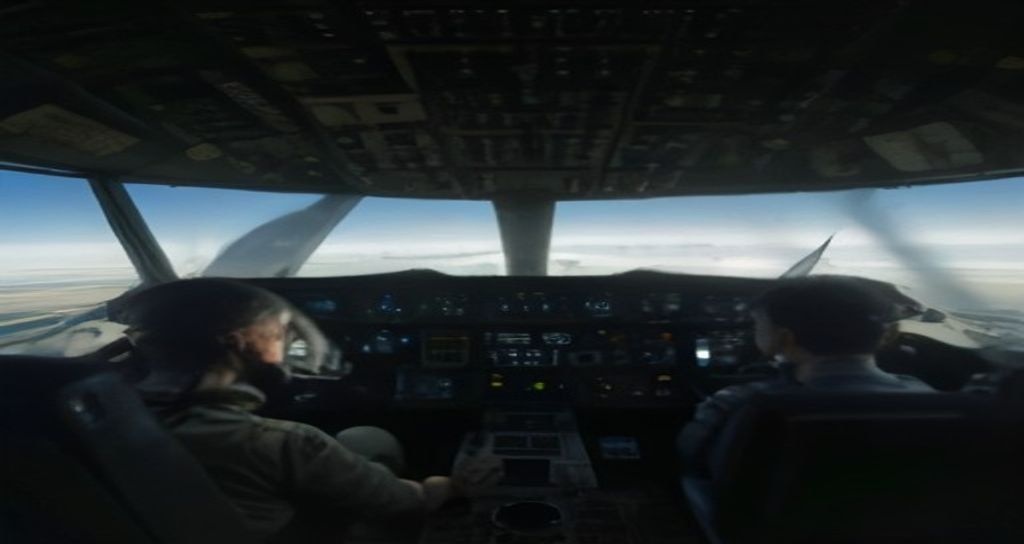
The operational reality of a downed aircraft behind enemy lines is inherently chaotic and dangerous. When rescue missions succeed, they often become powerful narratives for both military historians and news outlets seeking to capture the human element of modern warfare. The upcoming ’60 Minutes’ broadcast will undoubtedly offer gripping personal accounts from the cockpit to the evasion zone.
Media analysts note that while high-profile features can boost recruitment and public appreciation for armed forces personnel, they also risk politicizing individual acts of survival. Observers across Washington will likely continue monitoring how defense leadership manages public relations surrounding active combat operations.
Frequently Asked Questions
What is the focus of the upcoming ’60 Minutes’ segment?
The broadcast highlights the harrowing two-day ordeal of two U.S. Air Force officers whose F-15 was shot down over Iran, detailing their survival behind enemy lines and subsequent rescue.
Why has the Pentagon’s involvement drawn media attention?
Initial reporting from CNN revealed that defense officials and associates heavily pushed the surviving airmen to participate in the television interview, sparking discussions about military public relations practices.