

Trump’s Final Midterm Pitch Focuses on Promenades and Pipes
Key Takeaways
- Donald Trump shifted his final pre-term messaging toward unexpected infrastructure projects like Washington’s Reflecting Pool and coastal promenades.
- Reporting from Axios highlights how the closing pitch diverged significantly from typical pocketbook issues driving voters to the polls.
- Legal setbacks accompanied the campaign trail, including a rejected Supreme Court emergency petition regarding California ballots.
As the political landscape charged toward a high-stakes electoral showdown, prominent figures often leverage their final platforms to hammer home pressing economic anxieties or hot-button legislative battles. However, according to initial reports from Axios, former President Donald Trump charted a profoundly unusual course for his closing midterm message, opting instead to spotlight urban beautification, public plumbing, and scenic walkways.
While national commentators anticipated a strict barrage of rhetoric focused on inflation, border security, or crime statistics, campaign rallies instead featured deep dives into the architectural preservation of the capital’s iconic Reflecting Pool and the construction of elaborate new promenades. This distinct pivot left political analysts and party strategists parsing the underlying motivations behind a campaign strategy that seemingly bypassed conventional voter priorities in favor of large-scale civil engineering concepts.
A Shift Toward Urban Design and Infrastructure
The idiosyncratic focus of the closing message underscored a long-standing fascination with physical infrastructure and aesthetic restoration that has frequently characterized Trump’s public commentary. Rather than leaning entirely into the standard playbook designed to mobilize partisan bases on macro-level grievances, the discourse turned toward tangible, physical transformations of public spaces. Pundits across major networks, including CNN and The New York Times, noted the stark contrast between the heavy policy debates dominating the news cycle and the former president’s emphasis on municipal landscaping and piping upgrades.
Critics and supporters alike viewed the unconventional narrative through vastly different lenses. Some progressive commentators questioned the political efficacy of emphasizing architectural revamps when households across the country grappled with everyday financial strains. Meanwhile, loyalists defended the approach as a refreshing nod to tangible nation-building and aesthetic pride, proving that attention to detail remains a cornerstone of effective governance.
Legal Challenges and Ballot Disputes Run Parallel
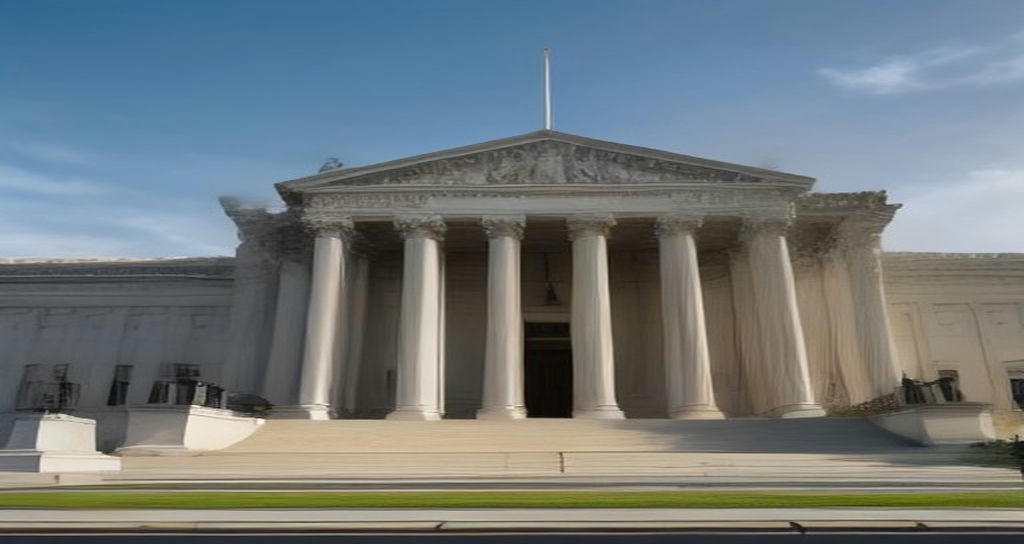
While the rhetorical strategy captivated observers, legal battles continued to unfold concurrently in the background. As reported by outlets such as The Guardian, the U.S. Supreme Court recently declined to intervene in an emergency request concerning tens of thousands of ballots in California. The refusal to set aside the contested votes added another layer of legal friction to an already turbulent election season, proving that structural and judicial hurdles remained a constant distraction from the campaign trail.
These intersecting storylines – ranging from debates over public promenades to high-level judicial refusals – created a multifaceted news environment. Voters navigating the closing weeks of the election cycle found themselves weighing traditional legislative priorities against unprecedented campaign narratives that defied standard political science wisdom.
Frequently Asked Questions
What was the primary focus of Trump’s pre-election closing message according to Axios?
According to reports from Axios, the closing message largely departed from conventional economic or political talking points, focusing instead on infrastructure details such as the National Mall’s Reflecting Pool, piping systems, and pedestrian promenades.
Did legal developments impact the campaign during this period?
Yes, alongside campaign events, the Supreme Court rejected an emergency request seeking to set aside approximately 20,000 ballots in California, adding legal friction to the final weeks before the midterms.