


Trump Meets Xi and Putin in China for High-Stakes Global Summit
Key Takeaways
- Donald Trump met face-to-face with Russian President Vladimir Putin and Chinese leader Xi Jinping during a pivotal diplomatic visit to China.
- According to initial reports from BBC, the high-profile gathering marks a rare simultaneous meeting among the three global superpowers.
- International analysts are weighing the geopolitical fallout, contrasting Trump’s diplomatic ambitions with skepticism from major publications regarding Moscow and Beijing’s strategic alignment.
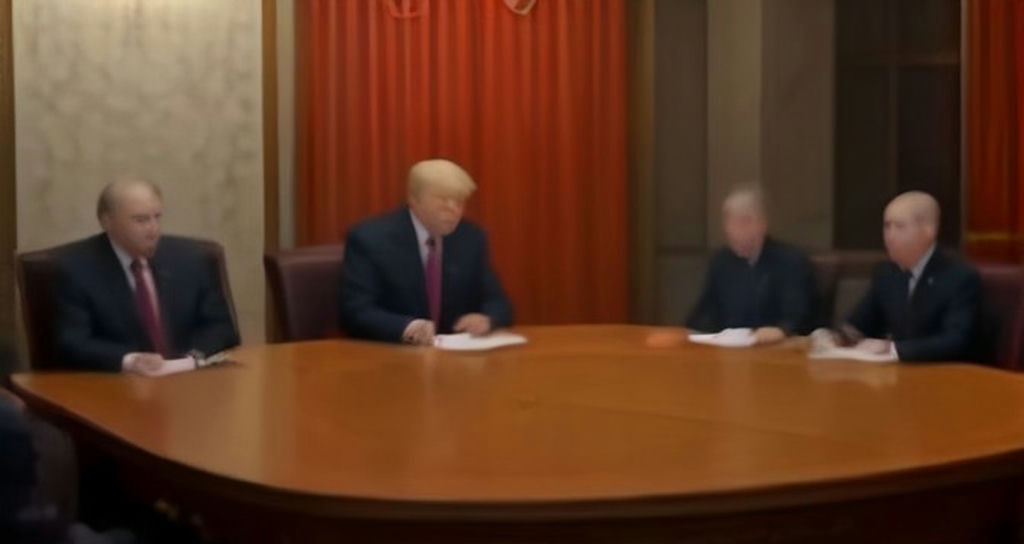
In a diplomatic gathering that has immediately captured global attention, former U.S. President Donald Trump was seen shaking hands with Russian leader Vladimir Putin and Chinese President Xi Jinping ahead of a momentous summit in China. The visual of the three powerful figures together has sent ripples across international policy circles, igniting intense debates regarding the future of global alliances, nuclear non-proliferation talks, and the shifting balance of power in Asia and Europe.
According to initial reports from BBC, the encounter highlights an unprecedented moment of personal diplomacy on the world stage. However, foreign policy experts caution that turning handshakes into tangible policy agreements remains an uphill battle. Publications such as The Washington Post and The New York Times have raised critical questions over whether Washington’s push for new nuclear agreements can overcome the entrenched geopolitical interests of Moscow and Beijing.
SPONSORED ADVERTISEMENT
A New Era of Superpower Diplomacy or Strategic Posturing?
The juxtaposition of these three leaders sitting down together has drawn inevitable comparisons to historical summits, though contemporary analysts emphasize that the current geopolitical climate is vastly different from mid-20th-century conferences like Yalta. Modern friction points – ranging from trade disputes and regional security concerns to differing stances on international law – create a complex web of competing interests.
Commentators across major networks, including CNN and CNBC, have questioned the underlying premise of engaging so closely with leaders whose strategic goals frequently conflict with American interests. Critics argue that public optics of cordiality could inadvertently legitimize adversarial regimes without yielding concrete concessions on human rights, regional sovereignty, or disarmament.
SPONSORED ADVERTISEMENT
Navigating Nuclear Realities and Economic Pressures
At the core of the ongoing discussions are pressing questions about nuclear arms control. While the administration has historically championed the idea of striking grand bargains, realists point out that neither Russia nor China has shown a genuine willingness to dismantle their strategic modernization programs. The reality on the ground demands a cautious approach, balancing high-level dialogue with robust defense readiness.
As the summit progresses, international observers will be closely monitoring joint communiqués and closed-door statements for any sign of actual policy shifts. Whether this historic handshake translates into meaningful treaties or remains merely a striking photo opportunity is a question that will define international relations for the foreseeable future.
SPONSORED ADVERTISEMENT
Frequently Asked Questions
Why is the meeting between Trump, Putin, and Xi significant?
This gathering brings together the leaders of three of the world’s most influential and heavily armed nations for direct talks in China, offering a rare window into contemporary superpower diplomacy and potential negotiations on global security issues.
What are the primary challenges facing these talks?
Key challenges include deep-seated geopolitical distrust, competing economic ambitions, and fundamentally divergent views on nuclear arms control and regional sovereignty, making binding agreements difficult to achieve.
Reported by Creek Observer Editorial Desk. Sourced and verified from public news dispatches including BBC. Published in accordance with fair reporting and public interest standards.