




Trump Arrives at Southeast Asia Summit Amid High-Stakes Regional Diplomacy
Key Takeaways
- Donald Trump arrived during the closing stages of high-level Southeast Asian multilateral discussions, yet his agenda remained a central focus of regional delegates.
- Dispatches from multiple wire agencies highlight an intensive schedule centered on regional security frameworks, trade arrangements, and bilateral partnerships.
- Discussions also encompass broader geopolitical balancing in the Indo-Pacific, featuring multilateral coordination among Quad partners and key regional powers.
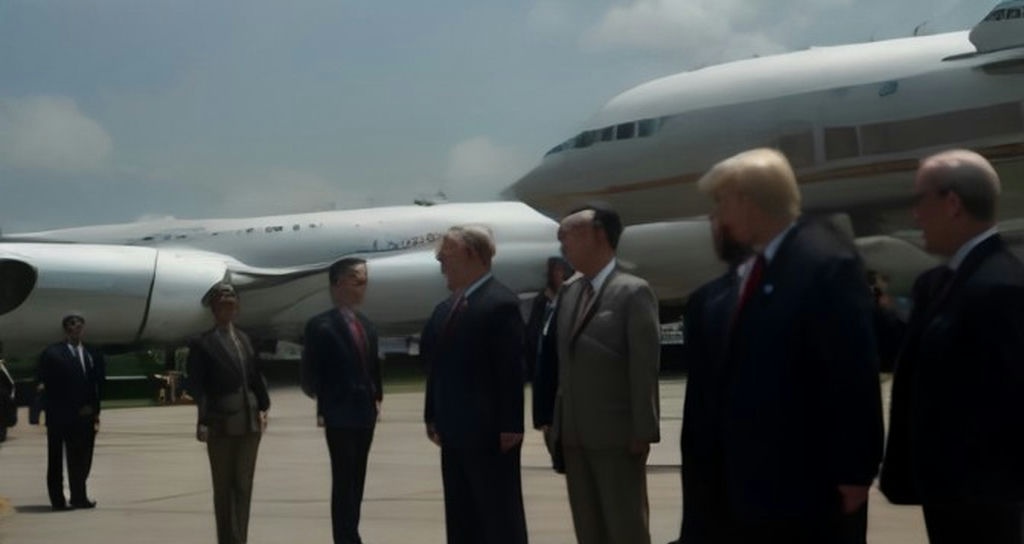
Diplomatic talks across Southeast Asia reached a pivotal juncture this week as regional leaders concluded formal plenary sessions just as Donald Trump arrived to engage in bilateral dialogues and multilateral forums. According to initial dispatches from The Washington Post and additional reporting by The New York Times, the arrival timing became an immediate talking point among attending delegations, even as American strategic and economic priorities continued to dominate summit agendas.
While observers closely tracked the logistical schedule of the visit, U.S. officials emphasized that the broader itinerary focuses on cementing strategic ties and advancing key national trade objectives across the Indo-Pacific corridor. Bilateral talks in Manila and neighboring regional hubs are set to address maritime defense, supply chain diversification, and economic partnerships designed to reassure regional allies of persistent American engagement.
SPONSORED ADVERTISEMENT
Economic Frameworks and Regional Security Focus
Reporting by PBS indicates that the trip began with deliberate attention to economic pacts and bilateral trade negotiations. Rather than focusing strictly on broad multilateral declarations, U.S. representatives prioritized direct engagements aimed at safeguarding reciprocal market access and expanding infrastructure collaboration across Southeast Asian economies.
Concurrently, dispatches from ABC News noted that leaders affiliated with the Quadrilateral Security Dialogue – comprising the United States, Japan, India, and Australia – leveraged the gathering to reaffirm their shared commitment to regional maritime security and open navigation principles. For Southeast Asian nations caught between competing global powers, the discussions provided insight into how Washington intends to navigate maritime enforcement, supply resilience, and regional stability in the coming years.
Strategic Posturing Toward Major Powers
Beyond regional trade protocols, the broader diplomatic backdrop includes significant speculation regarding interactions with other global powers. As reported by CBS News, regional monitors are observing whether diplomatic channels will establish engagements involving Russian and Chinese leadership, alongside ongoing questions regarding potential diplomatic overtures on the Korean Peninsula.
SPONSORED ADVERTISEMENT
Regional foreign policy analysts suggest that while the scheduling of multilateral appearances often carries symbolic weight in Asian diplomacy, the material substance of negotiations tends to occur behind closed doors. Delegations from member states of the Association of Southeast Asian Nations (ASEAN) have repeatedly reiterated their objective of maintaining strategic autonomy, seeking to foster strong economic relationships with both the United States and China without aligning exclusively with any single bloc.
Balancing Regional Alliances
The reception among regional heads of state reflects this calculated balance. While some partners have welcomed an assertive trade posture aimed at counterbalancing dominant regional supply chains, others have voiced caution regarding potential economic frictions or tariff uncertainties that could impact regional export-oriented economies.
As diplomatic meetings conclude, attention shifts to the formal joint statements and bilateral pacts anticipated to emerge from the remainder of the tour. Whether the visit solidifies lasting defense architectures or results primarily in targeted trade commitments remains the subject of active evaluation among international policy observers.
SPONSORED ADVERTISEMENT
Frequently Asked Questions
Why was the timing of Trump’s arrival notable?
According to reports from The Washington Post and The New York Times, Trump arrived as formal plenary sessions of the regional summit were wrapping up, sparking diplomatic conversation about protocol while shifting the spotlight onto targeted bilateral meetings and subsequent strategic engagements.
What are the primary policy topics on the agenda?
Dispatches from outlets including PBS and ABC News indicate that the primary discussions center on reciprocal economic frameworks, maritime navigation rights in the Indo-Pacific, Quad security coordination, and managing relations with major global actors such as China and Russia.
Reported by Creek Observer Editorial Desk. Sourced and verified from public news dispatches including The Washington Post. Published in accordance with fair reporting and public interest standards.