


Supreme Court Clears Way for Federal Voter Eligibility Database
Key Takeaways
- The Supreme Court has permitted the administration to utilize a heavily revised federal database for voter verification.
- According to initial reports from AP News, the tool cross-references agency records to flag potential noncitizen registrations.
- Voting rights advocates have raised concerns over potential errors and voter disenfranchisement leading into critical elections.
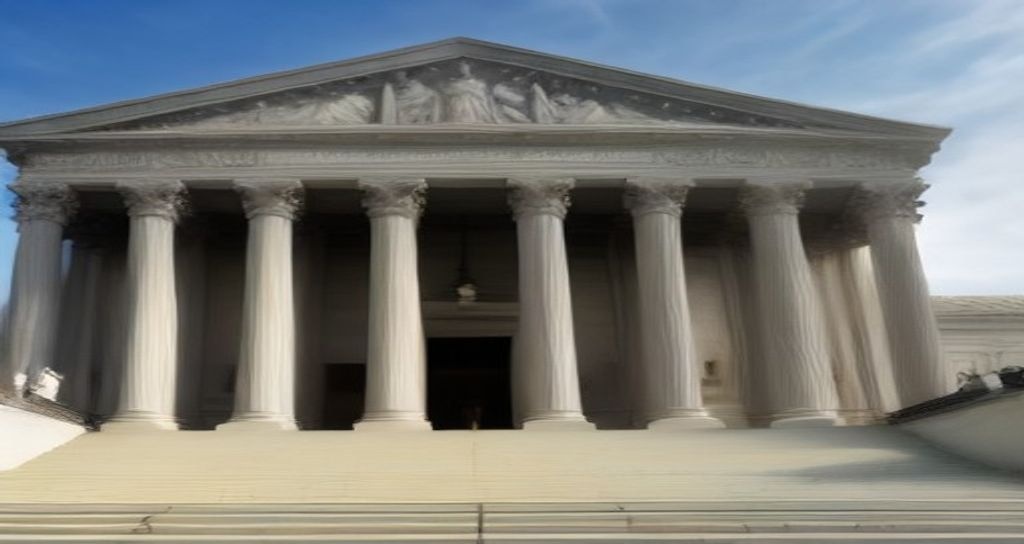
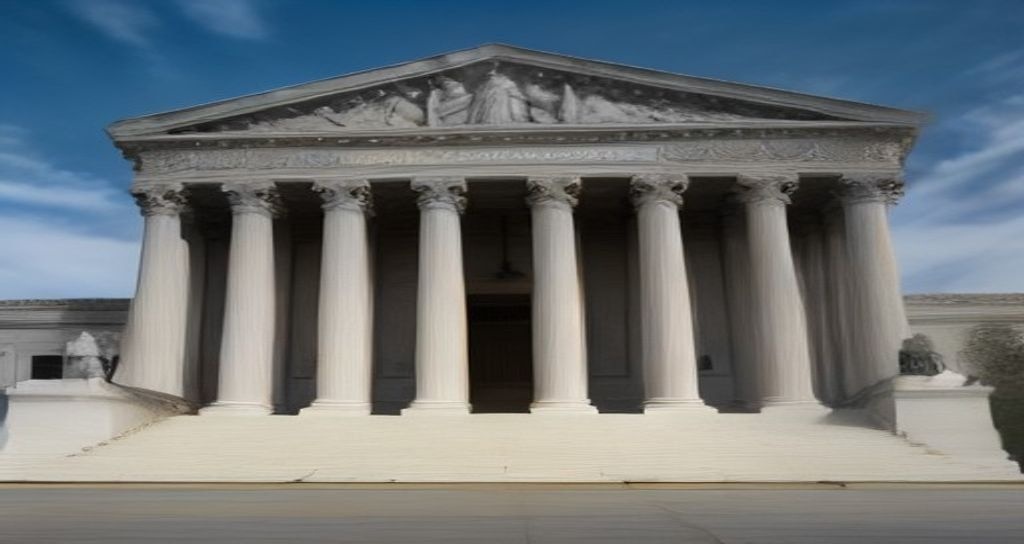
As the nation prepares for upcoming midterm elections, a decisive legal development has emerged from the nation’s highest court. According to extensive reporting from AP News, the Supreme Court has cleared the path for the administration to deploy a revamped federal database aimed at verifying voter eligibility. This controversial tool utilizes expansive government records, notably from the Social Security Administration, to flag individuals who may not meet citizenship requirements for voting.
The decision immediately reignites national debates concerning election administration, data accuracy, and the balance between ballot security and voting access. Legal scholars and civil rights organizations have scrutinized the initiative, warning that large-scale administrative cross-matching systems have historically produced high error rates that could unfairly target eligible citizens.
SPONSORED ADVERTISEMENT
Understanding the Mechanics of the Database
The newly greenlit system is designed to continuously scan state voter rolls against federal identity repositories. By analyzing discrepancies in citizenship documentation and historical government records, federal and state election officials hope to identify registered voters who lack formal proof of citizenship.
Supporters of the database argue that robust verification mechanisms are vital for upholding election integrity and ensuring that only qualified individuals participate in federal contests. Proponents maintain that leveraging modern technological infrastructure helps state officials maintain cleaner voter rolls with greater efficiency.
SPONSORED ADVERTISEMENT
Controversy and Civil Rights Concerns
Conversely, voting rights organizations view the deployment of the database with deep apprehension. Critics emphasize that federal data matching systems often rely on outdated records, name changes, or clerical errors, which could result in legitimate voters receiving erroneous challenges right before ballots are cast.
As states begin integrating the federal database into their pre-election protocols, local election supervisors face the monumental task of investigating flagged records while safeguarding the franchise of registered voters. The legal battles surrounding the database are widely expected to continue in lower courts as the electoral calendar progresses.
SPONSORED ADVERTISEMENT
Frequently Asked Questions
What does the Supreme Court ruling allow the government to do?
The ruling permits the administration to utilize a revamped federal database that cross-references Social Security and other government records to identify and flag potential noncitizen voters on state registry lists.
How might this impact voters in the upcoming midterms?
Voters could potentially face administrative challenges or requests to verify their citizenship status if flagged by the system, though civil rights groups are monitoring the rollout closely to prevent erroneous disenfranchisement.
Reported by Creek Observer Editorial Desk. Sourced and verified from public news dispatches including AP News. Published in accordance with fair reporting and public interest standards.