


Supreme Court Blocks Missouri GOP Congressional Map for Third Time
Key Takeaways
- The U.S. Supreme Court has rejected Missouri’s Republican-drawn congressional map for a third consecutive time.
- According to initial investigative reporting from The Washington Post, the ruling prevents a gerrymandered district configuration that heavily favored the GOP.
- The decision preserves a competitive landscape and safeguards a crucial Democratic House seat heading into upcoming midterms.
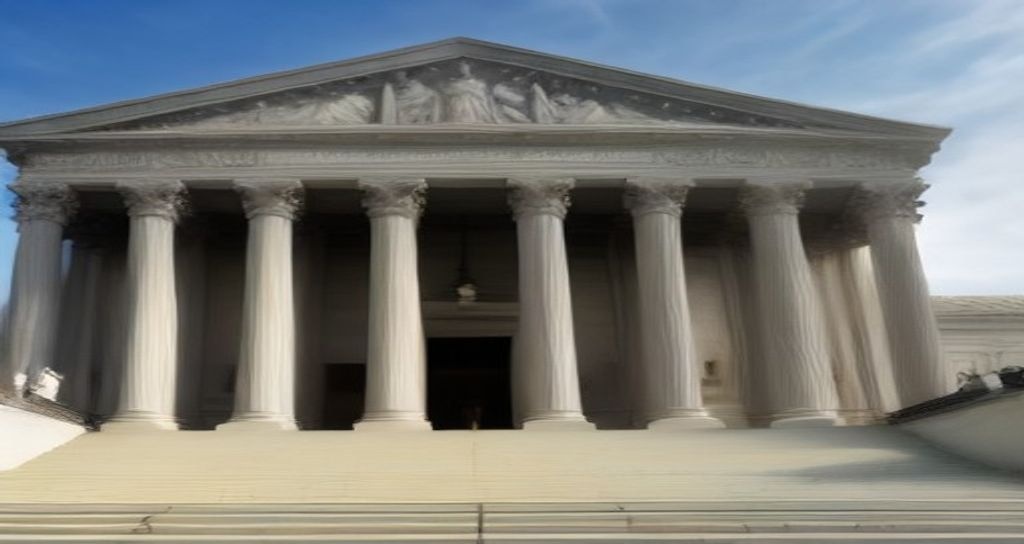
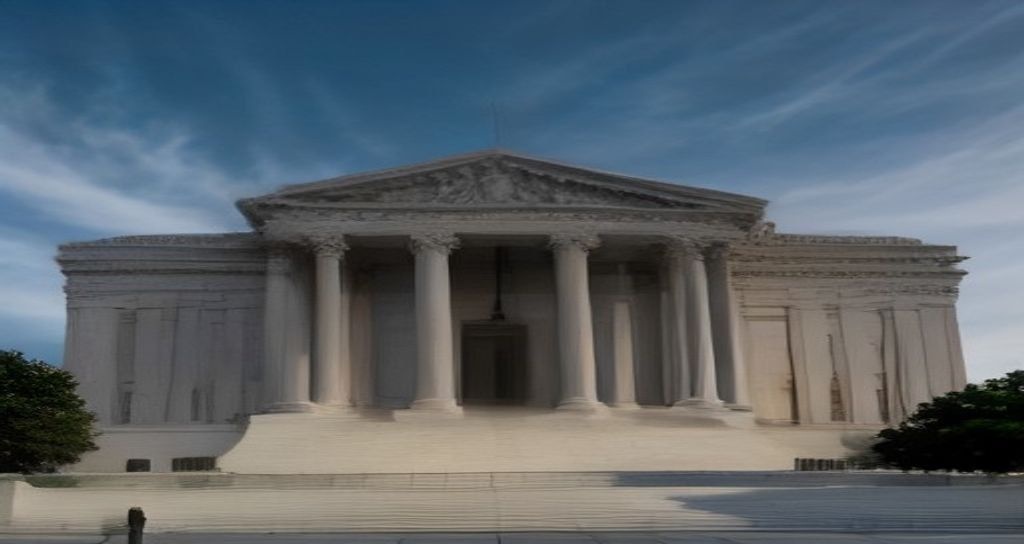
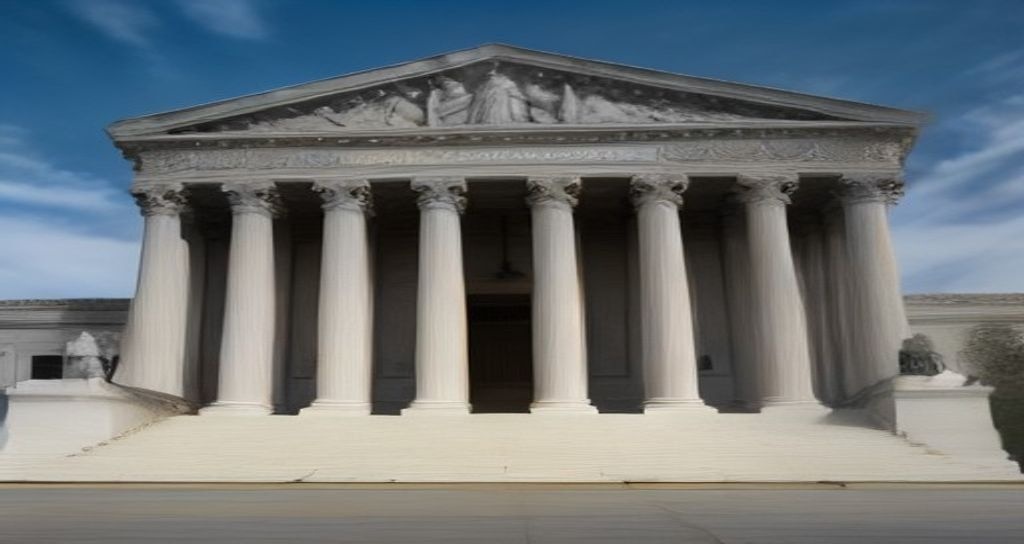
In a decisive ruling on the national political stage, the nation’s highest court has once again intervened in state-level electoral formatting. According to extensive reporting published by The Washington Post, the U.S. Supreme Court formally blocked Missouri’s latest congressional map, marking the third time judges have struck down attempts to implement a heavily favored Republican boundary layout.
The protracted legal battle centers on legislative attempts to reshape district lines in a manner that critics argue systematically disadvantages minority and Democratic voters. By rejecting this latest iteration, the judiciary has ensured that the status quo remains intact for the time being, preventing what voting rights advocates characterized as an aggressive partisan gerrymander designed to lock in structural advantages for the GOP.
SPONSORED ADVERTISEMENT
The Legal Battleground Over Congressional Maps
Redistricting controversies have increasingly landed on the docket of federal and state courts as political parties vie for control of the U.S. House of Representatives. As highlighted in dispatches from The Washington Post, Missouri’s legislative majority repeatedly attempted to engineer a map that would tilt a competitive suburban district firmly into Republican columns. However, legal challenges brought forward by civil rights coalitions and Democratic operatives consistently exposed constitutional vulnerabilities in the proposed boundaries.
Legal analysts note that the Supreme Court’s refusal to greenlight the map underscores the high stakes of midterm electoral math. Each congressional seat carries immense weight in the broader struggle for legislative majority control in Washington, making boundary disputes a high-stakes proxy war for political dominance.
SPONSORED ADVERTISEMENT
Implications for Future Elections and Voting Rights
With this latest judicial setback, state lawmakers face mounting pressure to draft a balanced map that complies with federal voting standards and constitutional requirements. Voting rights organizations have hailed the decision as a critical victory for fair representation, emphasizing that electoral districts must reflect the actual demographic and political diversity of the populace rather than serving partisan interests.
As the legal dust settles, attention shifts back to the state legislature, where lawmakers must decide whether to return to the drawing board or accept a court-supervised remedial map. Political strategists across the country are closely watching these developments, recognizing that the outcome in Missouri could establish a powerful precedent for ongoing redistricting battles nationwide.
SPONSORED ADVERTISEMENT
Frequently Asked Questions
Why did the Supreme Court reject the Missouri congressional map?
The court blocked the map because it unconstitutionally manipulated district boundaries to favor one political party, effectively diluting the voting power of opposing constituents as detailed in reports by The Washington Post.
What happens next for Missouri’s congressional districts?
State lawmakers will either need to craft a fair, legally compliant map or rely on the courts to implement a neutral configuration ahead of the upcoming midterm elections.
Reported by Creek Observer Editorial Desk. Sourced and verified from public news dispatches including The Washington Post. Published in accordance with fair reporting and public interest standards.