




Massive Search Underway After Indonesian Ferry Capsizes in Java Sea
Key Takeaways
- An Indonesian passenger vessel carrying approximately 240 individuals overturned in the Java Sea.
- According to initial reports from AP News, emergency responders have rescued over 100 survivors while confirming at least six fatalities.
- Multi-agency search and rescue teams are aggressively sweeping the waters to locate roughly 130 missing passengers and crew members.
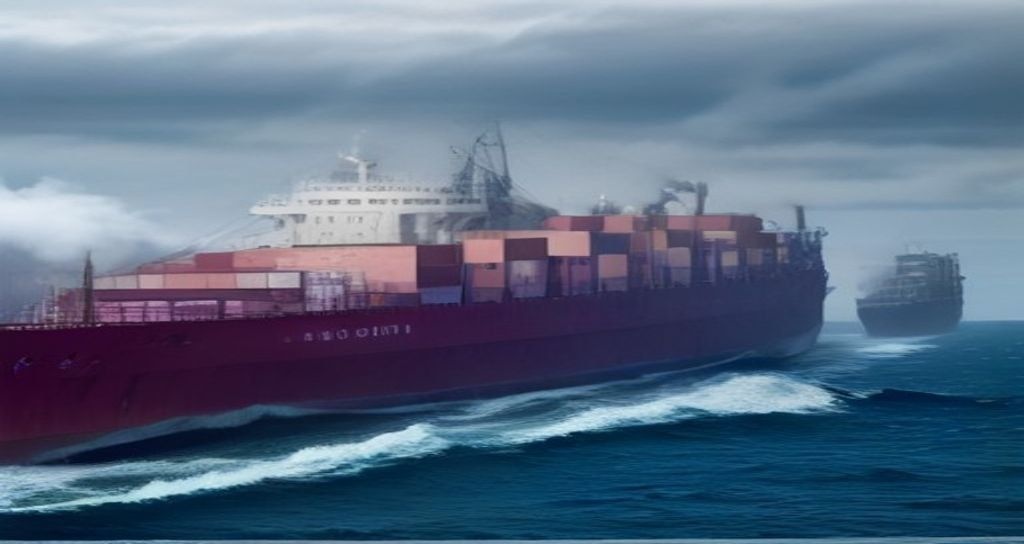
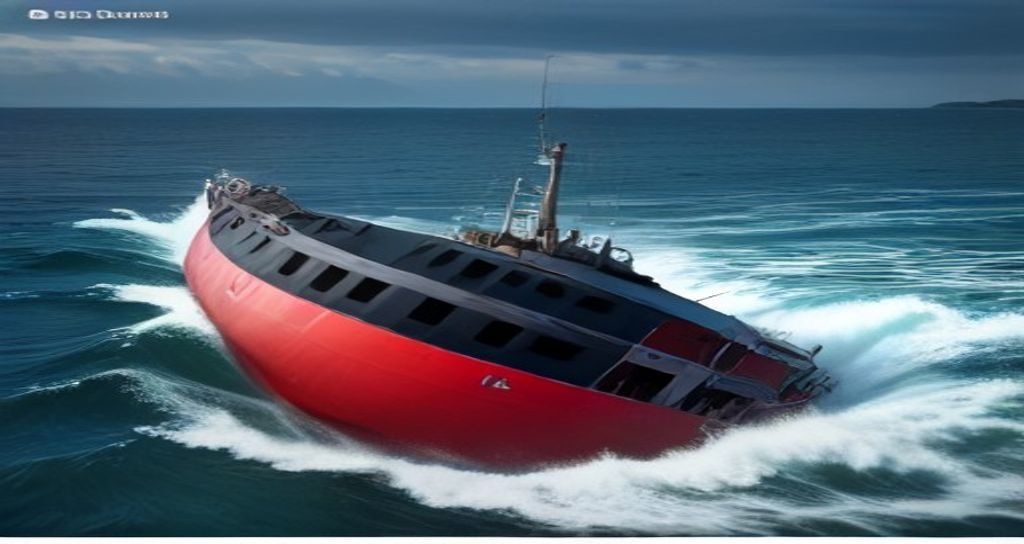
Emergency response teams and maritime authorities have launched an intensive, multi-agency search and rescue operation in the Java Sea following the sudden capsizing of a large Indonesian passenger ferry. According to initial reports from AP News, the maritime disaster unfolded as the vessel was navigating challenging regional waters, prompting an immediate mobilization of naval assets, coast guard units, and local fishing vessels to comb the area for survivors.
Initial tracking data and manifest details verified by regional authorities indicate that the ship was transporting roughly 240 people when it lost contact. As rescue units converged on the disaster zone, operations successfully pulled 107 survivors from the rough swells. Tragically, responders also recovered six bodies from the water. However, anxieties remain acute as rough sea conditions complicate efforts to account for approximately 130 individuals still unaccounted for.
SPONSORED ADVERTISEMENT
Maritime Safety and Ongoing Rescue Operations
The vast maritime expanse of Indonesia relies heavily on ferry networks to connect its thousands of islands. Unfortunately, maritime accidents remain a recurring safety challenge across the archipelago due to frequent severe weather patterns, enforcement challenges regarding passenger manifests, and compliance with baseline safety equipment requirements. In the wake of this latest tragedy, national transportation officials are facing renewed scrutiny regarding systemic oversight and emergency readiness.
Coordination centers have been established along the nearest coastline to support distressed families awaiting news of their loved ones. Rescue coordinators emphasize that despite diminishing visibility and strong currents, search grids are expanding outward from the last known coordinates of the vessel. Helicopters and specialized naval rescue ships have been deployed to maximize coverage over the wide search radius.
SPONSORED ADVERTISEMENT
Understanding Indonesia’s Ferry Network Risks
As the archipelago nation’s primary transit mechanism, ferries facilitate the movement of hundreds of thousands of citizens daily. Safety advocates have long pushed for stricter boarding controls and real-time tracking systems to prevent overloading and ensure rapid emergency response times. Analysts point out that incidents of this magnitude underscore the critical need for modernization across the domestic shipping sector.
Local authorities have pledged a transparent investigation into the factors that contributed to the disaster once rescue and recovery missions transition into the investigative phase. For now, the entire focus of the state and local emergency apparatus remains squarely on locating any remaining survivors drifting in the Java Sea.
SPONSORED ADVERTISEMENT
Frequently Asked Questions
What caused the Indonesian ferry to overturn?
The exact catalyst behind the capsizing remains under active investigation. Maritime authorities have noted that challenging weather conditions in the Java Sea played a significant factor in the vessel losing stability and contact.
How many people have been rescued so far?
According to verified reports from AP News and local rescue agencies, 107 individuals have been successfully rescued, while six fatalities have been confirmed, leaving roughly 130 people missing.
Reported by Creek Observer Editorial Desk. Sourced and verified from public news dispatches including AP News. Published in accordance with fair reporting and public interest standards.