




Commercial Vessel Hit in Strait of Hormuz Stirs Global Oil and Security Fears
Key Takeaways
- A commercial vessel traversing the Strait of Hormuz was struck in a lethal incident, resulting in at least one casualty and four injuries.
- Maritime monitoring bodies, including the United Kingdom Maritime Trade Operations (UKMTO), confirmed the strike amid intensifying regional friction.
- The strike reignites volatile shifts across global energy markets, raising immediate alarms over petroleum transit through the world’s most vital maritime chokepoint.
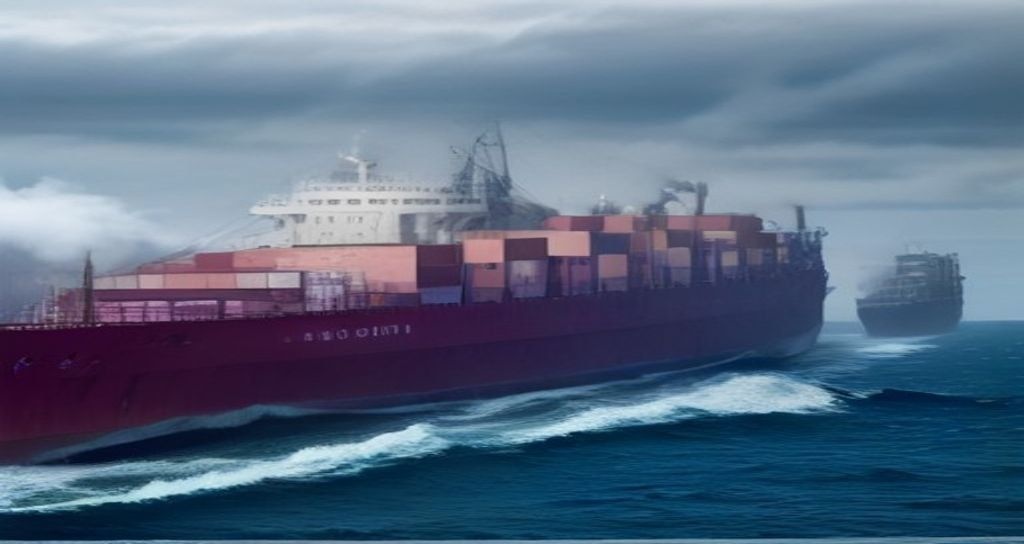
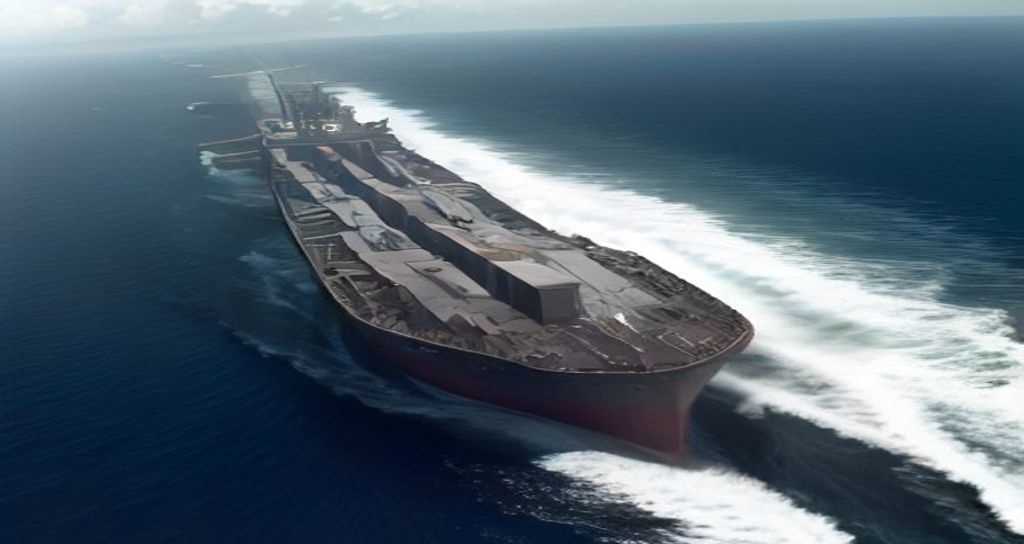
In a volatile escalation of regional maritime hazards, a commercial cargo ship navigating near the Strait of Hormuz has been struck in a direct assault, leaving one crew member dead and four others wounded. According to international dispatches first monitored by CNN and regional outlets, the attack highlights the deteriorating security matrix across one of the world’s most sensitive maritime transit corridors.
The incident, corroborated by the United Kingdom Maritime Trade Operations (UKMTO) and confirmed across state communications, has prompted immediate alerts to merchant vessels operating in the Persian Gulf and the Gulf of Oman. Security details surrounding the exact nature of the projectile or ordnance used remain under active investigation by regional naval authorities.
SPONSORED ADVERTISEMENT
A Lethal Standoff in Crucial Waters
Initial reports indicate the vessel was engaged while transiting international shipping lanes bordering Iranian coastal approaches. Regional emergency services responded to manage structural damage and provide urgent medical triage to the wounded mariners. While commercial traffic has faced recurring hazards in surrounding waters over recent years, the confirmed loss of life marks a severe deterioration in operational safety for neutral merchant crews.
Maritime security analysts note that incidents within the narrow waterway carry an outsized geopolitical risk. The Strait of Hormuz serves as the arterial gateway for roughly one-fifth of the globe’s consumed petroleum, linking major Middle Eastern crude producers directly to global markets in Asia, Europe, and the Americas.
SPONSORED ADVERTISEMENT
Energy Markets on Edge Amid Chokepoint Vulnerabilities
The strike reverberated rapidly through commodities trading desks and maritime insurance sectors. Previous skirmishes in the corridor have triggered immediate spikes in war-risk insurance premiums, compounding transit freight costs for container ships and oil tankers alike. Analysts caution that prolonged uncertainty could compel carriers to divert traffic or impose steep operational surcharges, placing upward pressure on refined fuel benchmarks worldwide.
Beyond logistics, the attack unfolds against a backdrop of deeply stalled diplomatic engagements between Western powers and regional stakeholders. With diplomatic channels running thin, merchant shipping frequently bears the brunt of proxy actions and retaliatory operations, exposing civilian mariners to asymmetric combat tactics.
SPONSORED ADVERTISEMENT
Naval Advisories Urge Maximum Vigilance
International naval coalitions have issued elevated threat alerts, advising merchant shipping to exercise extreme caution, report anomalous radar signatures, and limit nighttime passage whenever possible. As maritime bodies assess the wreckage and determine accountability, regional stability remains precarious, with global watchdogs monitoring whether this strike signals a wider campaign against commercial transit.
Frequently Asked Questions
Why is the Strait of Hormuz critical to global shipping?
The narrow waterway between Oman and Iran serves as the primary conduit for roughly 20% of the world’s petroleum supply. Any disruption or threat to commercial shipping directly influences worldwide oil pricing, energy logistics, and maritime insurance benchmarks.
What protective measures are in place for commercial ships in the region?
Merchant fleets rely on security advisories from coalition agencies like the UKMTO, international naval escorts, onboard private armed security personnel, and specialized anti-piracy transit protocols to mitigate risks in contested waters.
Reported by Creek Observer Editorial Desk. Sourced and verified from public news dispatches including CNN. Published in accordance with fair reporting and public interest standards.