


France Faces National Turmoil as Far-Right Gains Ground Amid Riots
Key Takeaways
- Widespread unrest, looting, and rioting have triggered a severe national security crisis across France.
- According to comprehensive reporting by The New York Times, far-right political factions are seizing the moment to capitalize on the public disorder.
- Officials are weighing emergency measures, including localized curfews and enhanced security deployments, as iconic cultural sites like the Louvre face disruptions.
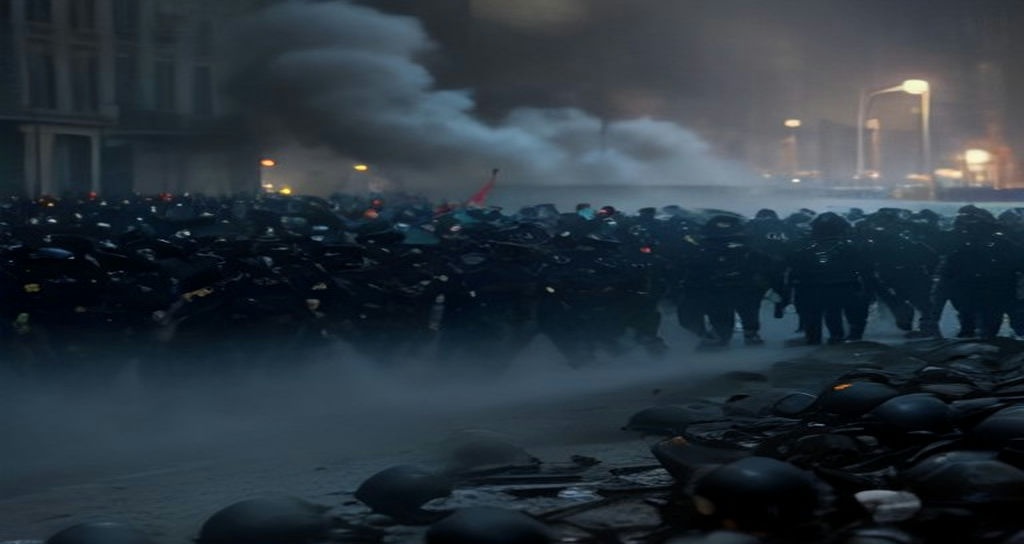
France is currently grappling with a profound social and political reckoning following days of intense urban violence, widespread vandalism, and destructive looting. As communities struggle to restore order, national political dynamics are shifting rapidly. According to critical investigative dispatches published by The New York Times, right-wing populist leaders are skillfully leveraging the crisis to amplify their long-standing law-and-order platforms, resonating with a deeply anxious electorate.
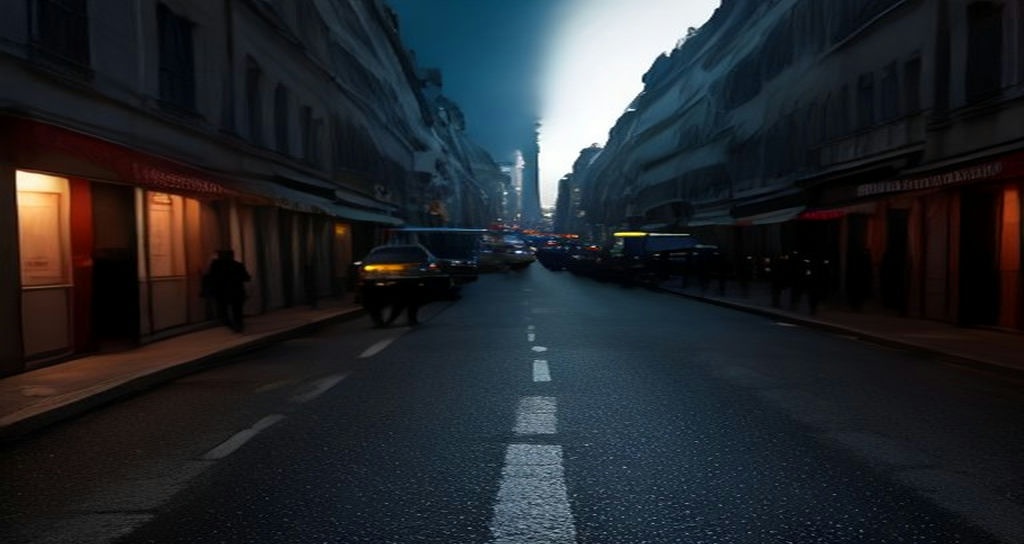
The turmoil has affected major metropolitan areas from end to end, drawing international attention and paralyzing normal civic routines. Public institutions, commercial districts, and tourist corridors have all borne the brunt of the chaos. Notably, standard operations at world-renowned cultural landmarks, including the historic Louvre museum, have faced severe disruptions and temporary blockades as security forces struggle to contain flashpoints of civil disobedience.
SPONSORED ADVERTISEMENT
Government Response and Emergency Measures
In response to the escalating crisis, executive leaders are moving swiftly to regain control of the streets. Government officials have proposed aggressive policy interventions, including restricted nighttime curfews in heavily impacted municipalities. Law enforcement agencies have dramatically scaled up their presence, deploying specialized tactical units to deter further looting and protect vital public infrastructure.
Political analysts note that the government finds itself walking a delicate tightrope. While aggressive policing is necessary to quell the destruction, heavy-handed tactics risk further alienating marginalized urban youth and exacerbating the underlying socioeconomic grievances that initially sparked the unrest.
SPONSORED ADVERTISEMENT
The Political Capital of the Far-Right
The unfolding chaos has provided an unexpected political windfall for nationalist and far-right parties. For years, these political figures have campaigned heavily on themes of systemic insecurity, cultural integration challenges, and the erosion of civic authority. Now, with nightly broadcasts showcasing burning vehicles and shattered storefronts, their core message is finding a much wider, more receptive audience.
Commentators cited by The New York Times suggest that traditional center-left and center-right coalitions are struggling to present a cohesive narrative that bridges the gap between calls for strict public order and urgent demands for social justice.
SPONSORED ADVERTISEMENT
Frequently Asked Questions
What triggered the current wave of unrest in France?
The ongoing protests and subsequent riots stem from a complex mix of deep-seated socioeconomic grievances, strained community-police relations, and localized triggers that quickly escalated into national civil unrest.
How are political leaders responding to the crisis?
National leaders have enhanced police deployments, implemented localized curfews to curb nighttime looting, and called for national unity while addressing the urgent need to restore public safety.
Reported by Creek Observer Editorial Desk. Sourced and verified from public news dispatches including The New York Times. Published in accordance with fair reporting and public interest standards.