

Trump Rolls Out Red Carpet for Xi Jinping Amid Trade Truce Extension
Key Takeaways
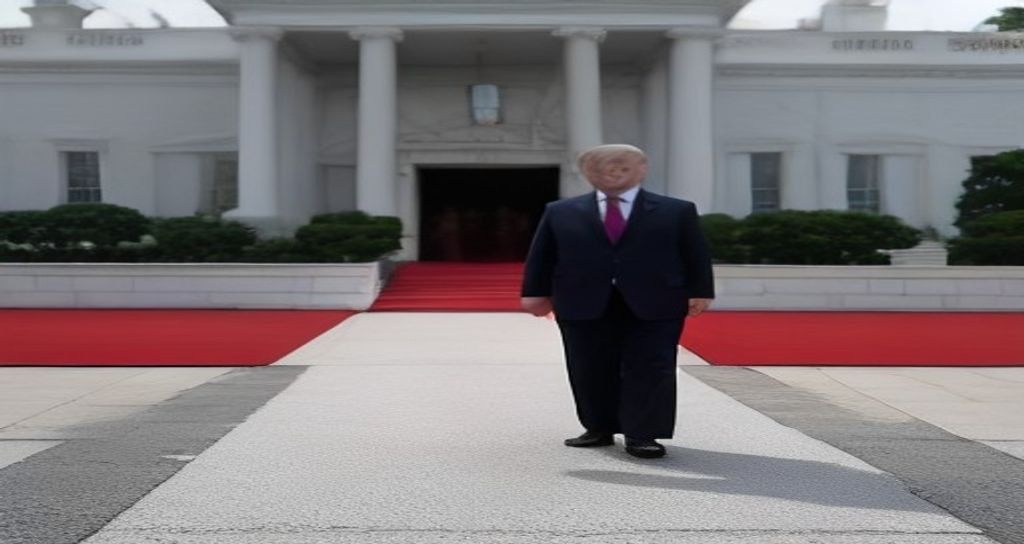
- President Trump welcomed Chinese President Xi Jinping to Washington with a high-profile planeside ceremony.
- According to initial reports from AP News, the high-stakes summit includes an extension of the current trade truce.
- The diplomatic engagement brings significant security measures, street closures, and substantial media attention to the nation’s capital.
Washington is currently hosting one of the most closely watched diplomatic events of the year as Chinese President Xi Jinping arrived for a high-stakes summit with U.S. leadership. As reported by initial dispatches from AP News, the reception featured an elaborate planeside ceremony characterized by traditional pageantry, red-carpet treatments, and extensive security protocols across the metropolitan area.
Beyond the ceremonial display, major policy developments are taking shape behind closed doors. Economic analysts following the summit note that both administrations have agreed to extend their ongoing trade truce, providing a temporary reprieve from escalating tariffs that have long strained bilateral relations. While critics and analysts debate whether the meeting will yield profound legislative breakthroughs or remain primarily symbolic, the immediate financial markets have reacted with cautious optimism to the prolonged de-escalation of trade tensions.
SPONSORED ADVERTISEMENT
Logistics and Security Impact on the Capital
The arrival of the Chinese delegation has dramatically transformed the daily rhythm of Washington, D.C. Local authorities, including law enforcement and transit agencies as highlighted by regional affiliates like WUSA9, enacted sweeping street closures, strict parking bans, and motorcade routes throughout downtown. Commuters and local businesses have had to navigate rigorous security perimeters surrounding official venues, mirroring the complex logistics typically reserved for historic international summits.
Despite the tight security and logistical hurdles, government officials have emphasized the necessity of maintaining open channels of communication. The current diplomatic dialogue addresses not only economic stability and supply chain resilience but also broader geopolitical concerns in the Indo-Pacific region.
SPONSORED ADVERTISEMENT
Weighing Substance Versus Pageantry
Political commentators have offered mixed reviews regarding the overarching goals of the Trump-Xi meeting. Some media analyses, reflecting coverage from outlets like NBC News and The Atlantic, suggest the event leans heavily on visual spectacle while offering limited structural remedies for deep-seated structural disagreements. Conversely, administration defenders argue that high-level personal engagement remains indispensable for managing friction points between the world’s two largest economic powerhouses.
As the summit progresses, international observers will be scrutinizing joint communiqués for concrete metrics on market access, intellectual property protections, and cooperative frameworks concerning global security challenges.
SPONSORED ADVERTISEMENT
Frequently Asked Questions
What was the primary outcome of the Trump-Xi Washington summit?
According to reports from AP News, a key development of the visit was the mutual agreement to extend the existing trade truce, helping to stabilize international markets and avert immediate tariff escalations.
How has Xi Jinping’s visit affected Washington, D.C. residents?
The high-level visit has resulted in significant traffic disruptions, including extensive street closures, restricted parking zones, and heightened security checkpoints managed by local and federal law enforcement.
Reported by Creek Observer Editorial Desk. Sourced and verified from public news dispatches including AP News. Published in accordance with fair reporting and public interest standards.