



Trump Dismisses Iran’s Strait of Hormuz Proposal, Stoking Tensions
Key Takeaways
- President Trump has officially rebuffed an Iranian initiative proposing a seven-day timeline to unblock the critical Strait of Hormuz.
- According to initial investigative reports from Al Jazeera, the rejection signals an escalation rather than a diplomatic breakthrough.
- Global markets continue to monitor maritime safety and energy transit corridors as diplomatic talks stall.
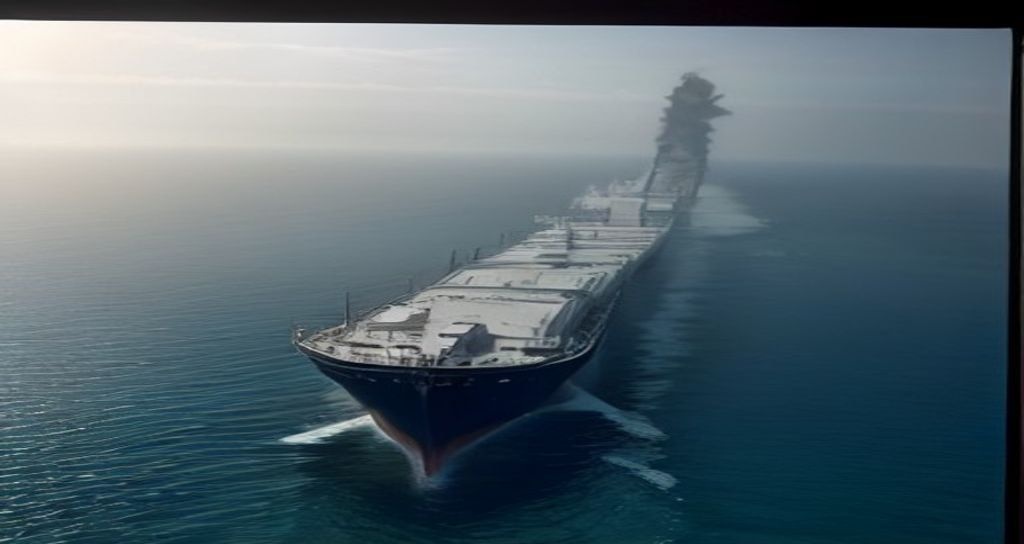
As geopolitical friction intensifies in the Middle East, international monitors are scrambling to assess the fallout from Washington’s latest foreign policy stance. According to exclusive reporting from Al Jazeera, leadership in the United States has flatly declined a diplomatic roadmap put forward by Tehran, which aimed to restore normal maritime traffic through the heavily contested Strait of Hormuz within a week. The proposed pathway, designed to ease commercial shipping restrictions and de-escalate military posturing, failed to win the backing of the White House.
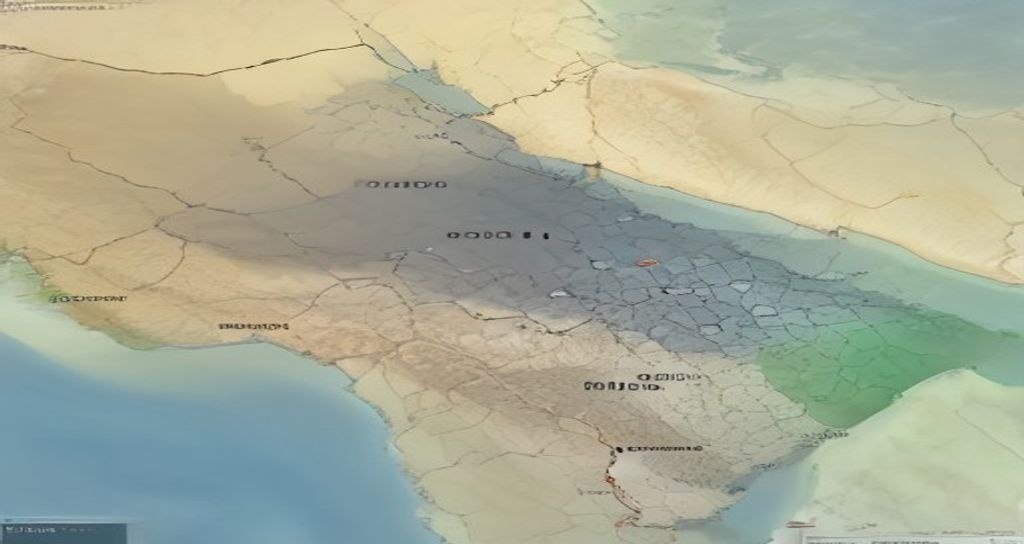
Market analysts and defense experts note that the rejection highlights a widening chasm between American strategic demands and regional proposals. The Strait of Hormuz serves as a vital artery for global energy supplies, making any prolonged disruption a matter of intense economic concern. Financial publications and news outlets, including the Financial Times and CBS News, have corroborated that Washington remains unimpressed by the offered terms, anticipating instead a hardening of positions following recent political cycles.
SPONSORED ADVERTISEMENT
Regional Reactions and Nuclear Standoff
In tandem with the blocked maritime pathway, broader diplomatic friction persists. Senior government representatives in Tehran have maintained a firm stance regarding domestic atomic ambitions, signaling that no concessions will be made on the nuclear front, as detailed by wire services like Reuters. This unyielding posture has complicated international mediation efforts led by neutral third parties seeking to prevent a wider regional conflagration.
Defense commentators observing the crisis point out that economic pressures are mounting for nations heavily reliant on Middle Eastern crude. While energy markets have experienced bouts of volatility in response to the headlines, commercial carriers are actively reassessing risk parameters for vessels navigating Gulf waters. The breakdown in communication underscores the fragile nature of current diplomatic channels.
SPONSORED ADVERTISEMENT
What Lies Ahead for Global Trade
The refusal of the proposed timeline leaves shipping firms and international insurers in a state of heightened alert. With military assets remaining deployed in high-readiness postures throughout the region, analysts suggest that commercial traffic will need to navigate heightened uncertainty for the foreseeable future. Stakeholders across the logistics and energy sectors are bracing for potential disruptions as political leaders signal a preference for strategic pressure over immediate compromise.
SPONSORED ADVERTISEMENT
Frequently Asked Questions
Why did the administration reject the proposal?
According to updates from Al Jazeera and major financial desks, the administration deemed the terms insufficient to address broader security concerns and long-term stability in the region.
Why is the Strait of Hormuz important?
The waterway is a critical global chokepoint for petroleum transport, meaning any closure or security threat directly impacts international energy prices and supply chain reliability.
Reported by Creek Observer Editorial Desk. Sourced and verified from public news dispatches including Al Jazeera. Published in accordance with fair reporting and public interest standards.