



Trump Dismisses Iran Ceasefire Offer As Regional Tensions Mount
Key Takeaways
- According to exclusive reporting cited by CNBC, leadership has declined a proposed 7-day truce from Tehran.
- Regional security updates highlight escalating risks as coalition forces intercept incoming projectiles.
- Analysts anticipate diplomatic friction to persist through the upcoming midterms and beyond.
International diplomatic channels faced a severe roadblock this week as high-stakes geopolitical maneuvers played out across the Middle East. Initial reporting from CNBC and the Wall Street Journal revealed that administration officials have opted against engaging with a conditional seven-day cessation of hostilities put forward by Tehran. The decision underscores a hardline stance as foreign policy strategists weigh the long-term implications of sustained military pressure against ongoing diplomatic overtures.
The refusal of the proposed truce comes at a delicate time for domestic and international stakeholders. Observers following the developments note that the rejection aligns with expectations of continued tactical operations in the theater. As political campaigns reach a fever pitch domestically, foreign affairs remain at the forefront of national discourse, influencing public sentiment and economic forecasts alike.
SPONSORED ADVERTISEMENT
Regional Volatility and Coalition Responses
Compounding the diplomatic freeze, security dynamics on the ground have deteriorated rapidly. International news dispatches highlighted by CNBC confirmed that defense systems operating under the Saudi-led coalition successfully intercepted and neutralized multiple hostile projectiles over strategic sectors. This active defense posture demonstrates the heightened state of alert maintained by regional partners who fear broader escalation in the wake of collapsed ceasefire talks.
Military analysts consulted by the Creek Observer editorial desk emphasize that the interception of these aerial threats highlights the fragility of current stability. With hardline rhetoric intensifying from military commands in Tehran – warning external actors against perceived miscalculations – the margin for diplomatic error narrows significantly.
SPONSORED ADVERTISEMENT
Strategic Posturing and Digital Diplomacy
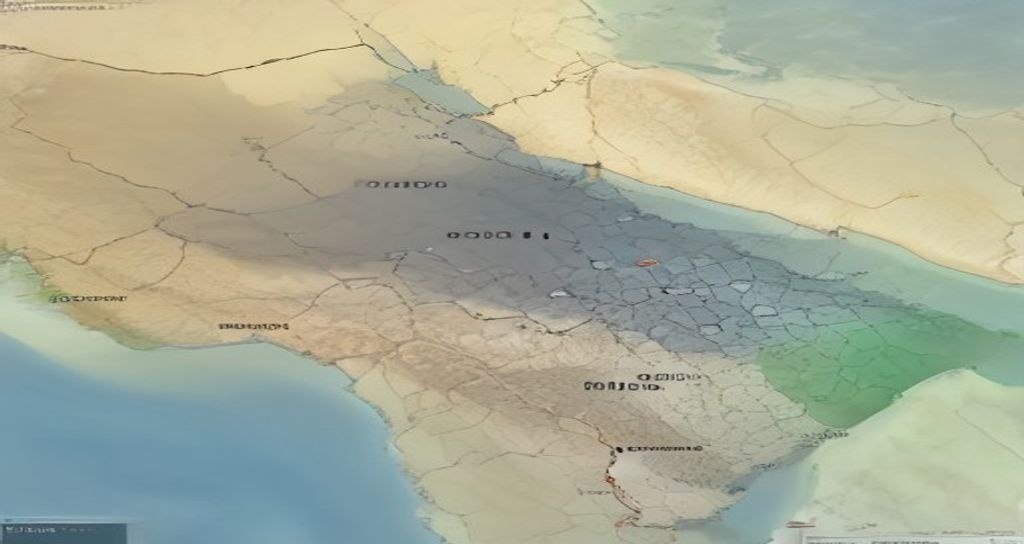
Adding an unprecedented digital dimension to the diplomatic standoff, recent social media activity from key political figures has drawn intense global scrutiny. Reports from the Associated Press outlined controversial mapping releases and territorial designations shared online, further inflaming diplomatic sensitivities. Such digital posturing signals a departure from traditional backchannel negotiations, favoring public signaling and direct communication channels.
As the international community monitors these unfolding events, financial markets and energy sectors are closely watching for any disruption to trade routes or oil infrastructure. The convergence of military readiness, electoral timing, and public posturing creates a uniquely complex environment for foreign policy experts attempting to forecast the trajectory of the region.
SPONSORED ADVERTISEMENT
Frequently Asked Questions
Why was the proposed Iranian ceasefire declined?
According to exclusive reports from CNBC and the Wall Street Journal, leadership rejected the conditional seven-day truce based on assessments that the terms were insufficient, anticipating renewed tactical operations instead.
How are regional partners responding to the escalation?
Security forces, including the Saudi-led coalition, have heightened their defense readiness, successfully intercepting incoming projectiles to protect critical regional infrastructure.
Reported by Creek Observer Editorial Desk. Sourced and verified from public news dispatches including CNBC. Published in accordance with fair reporting and public interest standards.