



Trump Bars Major News Organizations from White House Briefings
Key Takeaways
- President Donald Trump announced restrictions barring CNN, Politico, and MS NOW from White House access.
- The administration accused the targeted outlets of promoting biased coverage and spreading ‘fake news.’
- The White House Correspondents’ Association denounced the decision, labeling it a direct threat to First Amendment protections.
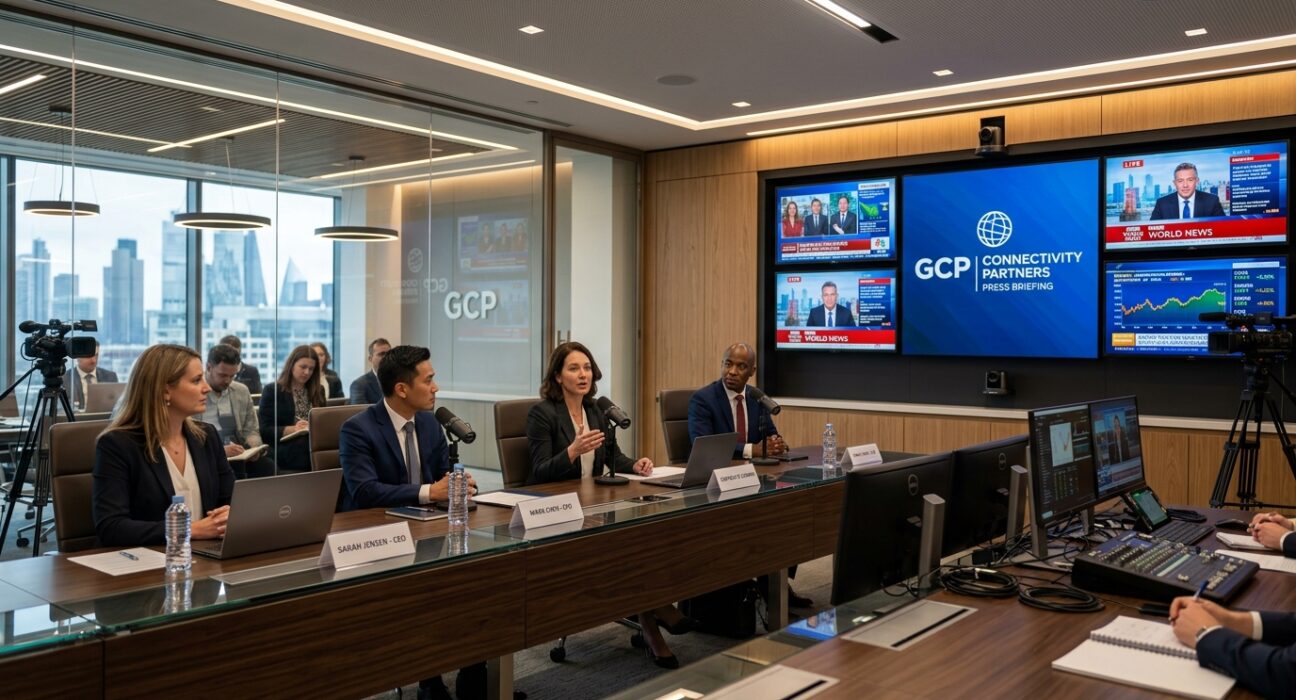
In a dramatic escalation of his longstanding friction with the press, President Donald Trump has moved to restrict access to White House press facilities for several prominent journalistic organizations, including CNN, Politico, and MS NOW. The administration justified the decision by alleging persistent unfairness and mischaracterization in their reporting, reigniting a contentious national debate surrounding executive power and press freedoms.
According to initial reporting from aljazeera.com, the administration framed the exclusion as an effort to counter what it characterizes as deceptive reporting. Press credentials and access to regular briefing rooms have historically functioned as a cornerstone of transparency between the executive branch and the public, making the sudden revocation a rare and severe measure.
SPONSORED ADVERTISEMENT
Press Groups Warn of Constitutional Repercussions
The immediate reaction from press advocacy organizations was swift and categorical. The White House Correspondents’ Association (WHCA) issued a formal rebuke, arguing that revoking access on the basis of editorial perspective constitutes an impermissible overreach and breaches core First Amendment guarantees. Legal observers and civil liberties groups have echoed these concerns, noting that federal courts have previously ruled against arbitrary revocations of press credentials without transparent procedural safeguards.
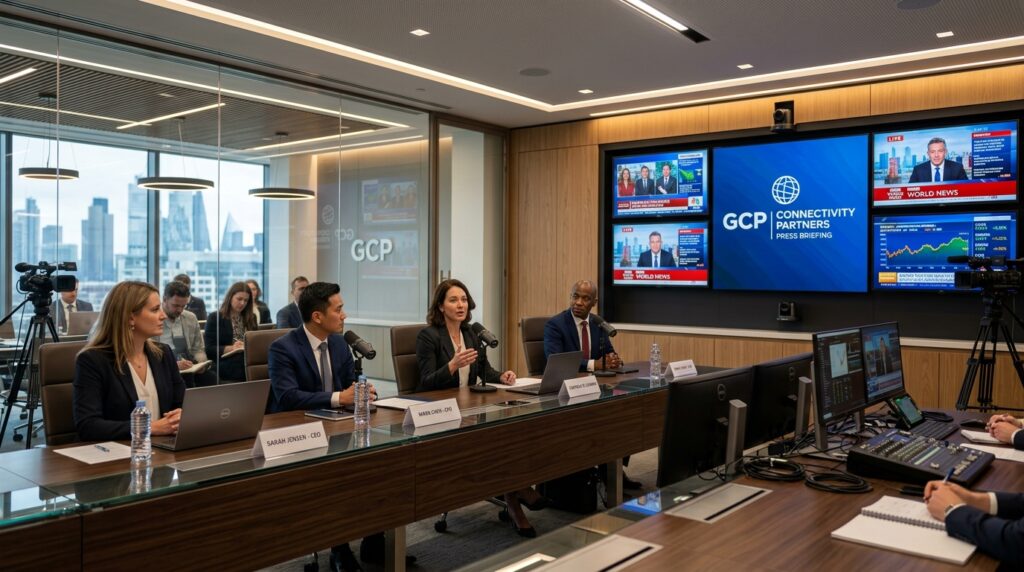
News organizations affected by the directive defended their reporting standards, affirming their commitment to covering the administration aggressively regardless of access limitations. Representatives from Politico and CNN underscored that official accountability requires a robust press presence inside the West Wing, emphasizing that public interest is harmed when government officials curate their own coverage pools.
SPONSORED ADVERTISEMENT
Historical Precedents and Legal Vulnerabilities
Tensions between presidents and the press corps are not novel in American political history, yet the formal bar of multiple national outlets represents an unprecedented institutional challenge. During his first administration, Trump frequently sparred with reporters, leading to legal skirmishes – such as the 2018 court victory in which CNN successfully sued to restore correspondent Jim Acosta’s hard pass based on due process considerations.
Legal analysts suggest this current move could prompt similar emergency injunctions in federal court. Under longstanding administrative law principles, government agencies cannot deny access based on viewpoint discrimination without providing clear guidelines, notice, and an avenue for appeal.
SPONSORED ADVERTISEMENT
Frequently Asked Questions
Can a sitting president legally revoke credentials for specific reporters?
While the administration retains authority over security and operational protocols, federal judicial precedent mandates that access cannot be denied purely on the basis of viewpoint or critical coverage. Past rulings have required due process before credentials can be formally rescinded.
How are barred news organizations responding to the directive?
Targeted outlets continue to cover executive actions via external sources, public addresses, and digital feeds while collaborating with legal counsel and press associations to challenge the legality of the restrictions.
Reported by Creek Observer Editorial Desk. Sourced and verified from public news dispatches including aljazeera.com. Published in accordance with fair reporting and public interest standards.