


Supreme Court Rejects Trump Mail-In Voting Restrictions Ahead of Midterms
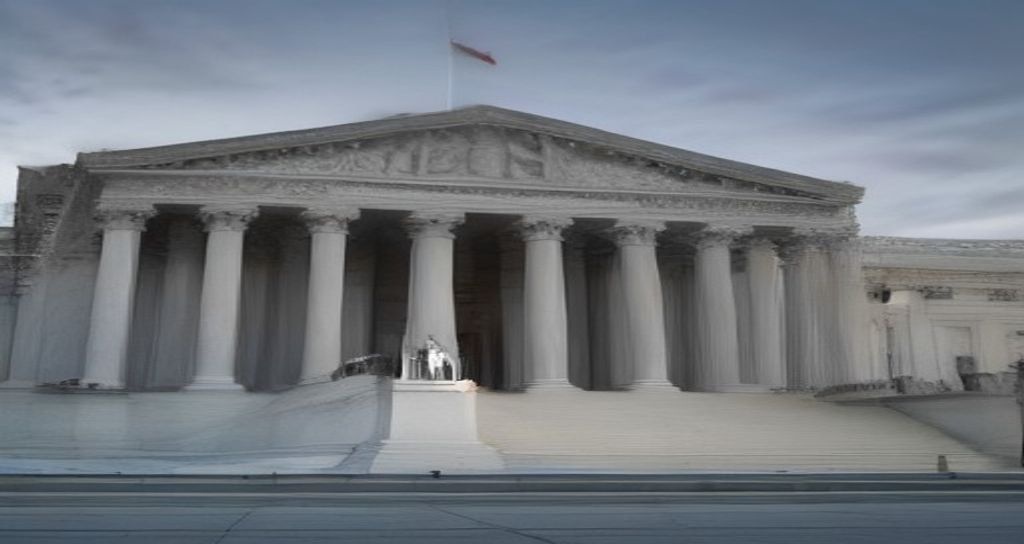
Key Takeaways
- The high court dismissed efforts to implement sweeping curbs on mail-in ballots for upcoming midterms.
- According to initial reporting from The New York Times, two conservative justices dissented from the decision.
- Legal analysts view the ruling as a crucial defense of absentee voting access nationwide.
In a major development for democratic access, the nation’s highest judicial bench has opted to block an aggressive push to limit mail-in ballot procedures. According to exhaustive dispatches published by The New York Times, the decision ensures that millions of voters will retain flexible voting methods as the midterm elections approach, effectively halting administrative roadblocks championed by former administration figures.
The legal challenge, which sought to impose restrictive barriers on postal voting, had alarmed voting rights advocates and constitutional scholars alike. By refusing to intervene on behalf of the restrictive guidelines, the justices have preserved existing state-level frameworks that facilitate broader participation among eligible citizens.
SPONSORED ADVERTISEMENT
Understanding the Judicial Landscape
Legal experts monitoring the docket noted that while the majority firmly declined the petition, the vote was not entirely unanimous. As detailed by The New York Times, two conservative members of the bench registered dissents, indicating they would have permitted portions of the contested mail-in voting limits to take effect. Nevertheless, the lack of a broader consensus among the majority effectively shields current electoral procedures from abrupt federal disruption.
This ruling arrives at a pivotal juncture for national politics. With election administrators across multiple states actively preparing for high-turnout midterms, clarity regarding absentee and postal ballots remains paramount. Civil rights organizations celebrated the outcome as a necessary safeguard against disenfranchisement, pointing out that postal voting has become a cornerstone of modern civic engagement.
SPONSORED ADVERTISEMENT
Implications for Future Elections
The refusal of the court to adopt these stringent measures signals a cautious approach toward altering established election rules close to voting windows. Observers emphasize that courts are increasingly reluctant to approve sweeping electoral changes that could generate widespread confusion among local poll workers and registered voters.
As campaigns gear up for the upcoming legislative battles, attention will now pivot back to state legislatures and local election boards. These bodies must continue navigating the complex interplay between secure election administration and accessible ballot access without federal mandates forcing sudden pivots.
SPONSORED ADVERTISEMENT
Frequently Asked Questions
What did the Supreme Court decide regarding mail-in voting?
The high court declined to enforce sweeping restrictions on mail-in ballots, preserving current voting procedures for the upcoming midterm elections in alignment with established lower court rulings.
Did all justices agree on the decision?
No. According to reports from The New York Times, two conservative members of the court dissented and indicated they would have permitted the proposed restrictions to move forward.
Reported by Creek Observer Editorial Desk. Sourced and verified from public news dispatches including The New York Times. Published in accordance with fair reporting and public interest standards.