


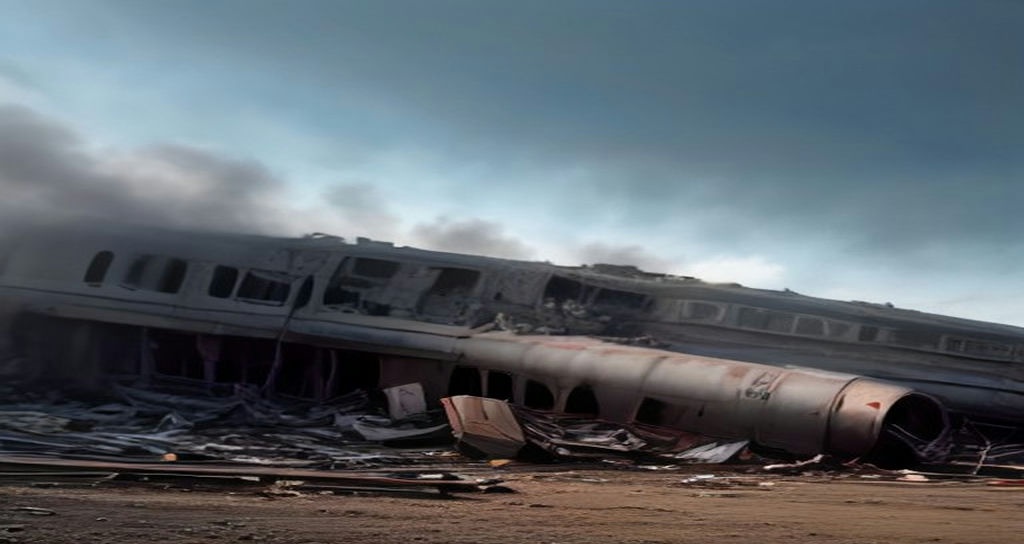
Spain Train Crash: Investigations Underway After Disaster Kills 68
Key Takeaways
- At least 68 people lost their lives in a catastrophic train accident in Spain, prompting a nationwide period of mourning.
- According to initial reports from BBC, newly surfaced audio recordings capture tense exchanges between the control center and train operators prior to the impact.
- Spanish transport officials have publicly pointed to an inexplicable human or mechanical misstep, while rescue crews comb through wreckage for survivors.
Spain is grappling with profound grief following a tragic rail disaster that claimed the lives of 68 individuals. As the nation initiates an official period of mourning, investigators are racing to piece together the sequence of events that led to the catastrophe. Emergency personnel and rescue teams have been deployed to thoroughly search the mangled carriages, maintaining hope that additional survivors might still be discovered amidst the wreckage, as reported by international news outlets including Reuters.
Uncovering the Final Moments Through Control Room Audio
Critical clues regarding the disaster have begun to emerge from communication logs. Investigative reporting by the BBC highlights chilling audio recordings capturing the dialogue between dispatchers at the central control hub and the train drivers just moments before the tragedy unfolded. These transcripts and audio files are expected to form a central pillar of the ongoing official inquiry, shedding light on speed, signaling directives, and operational awareness in the final stretch of the journey.
Transport authorities have faced mounting pressure to explain how such a catastrophic failure could occur on a modern rail network. In public statements covered by financial and general news providers like Yahoo, the Spanish Transport Minister described the incident as stemming from an ‘inexplicable’ error. While experts caution that it is too early to draw definitive conclusions, the focus remains heavily trained on potential lapses in signaling compliance, automated braking systems, or human oversight.
National Mourning and Ongoing Rescue Operations
In response to the immense loss of life, the Spanish government declared a formal mourning period, with flags flying at half-mast across public buildings and civic leaders expressing solidarity with the victims’ families. Public transport safety has immediately transformed into a dominant political and social discussion across the country, with citizens demanding full transparency from railway operators and regulators.
Meanwhile, specialized recovery squads continue their meticulous sweep of the crash site. Heavy machinery has been brought in to stabilize precarious structural components of the derailed coaches, allowing rescue workers to access the deepest sections of the wreckage safely. Hospitals in the surrounding region remain on high alert, treating dozens of injured passengers who sustained varying degrees of trauma during the sudden derailment.
Frequently Asked Questions
What caused the tragic train crash in Spain?
While official investigations are ongoing, the Spanish Transport Minister has initially characterized the incident as an inexplicable error. Authorities are currently reviewing recovered control center audio recordings and black box data to determine whether human error or technical failure was at fault.
How many casualties have been confirmed?
Current reports verify that at least 68 people died in the disaster, with numerous others hospitalized. Rescue workers continue to comb through the wreckage for any remaining survivors.