

Severe Thanksgiving Storm Disrupts Travel and Triggers Flooding Nationwide
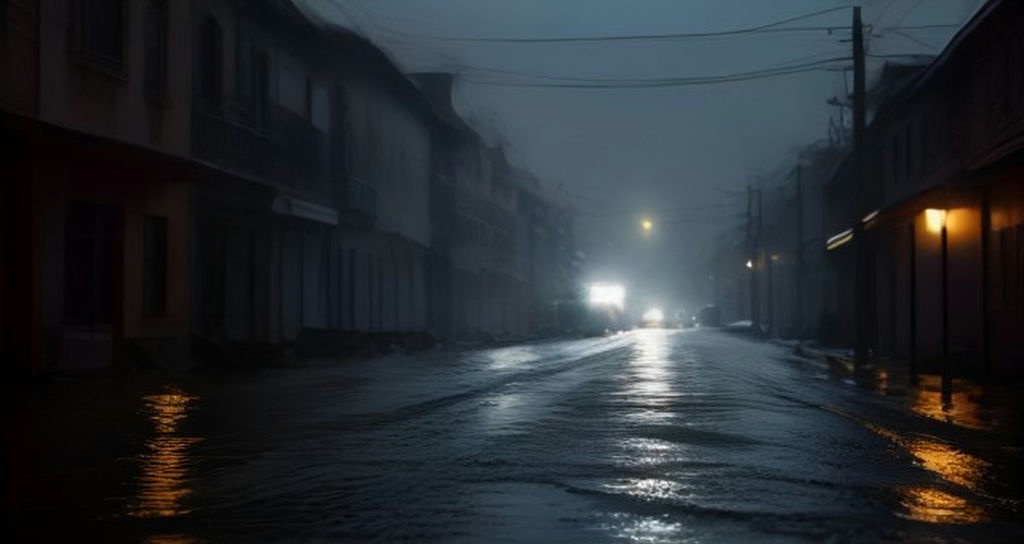
Holiday Travel Disrupted by Severe Weather System
Key Takeaways
- Millions of holiday travelers face severe delays as a massive storm system sweeps across the United States.
- Coastal regions experience heavy flooding, high winds, and king tides, placing roughly 67 million citizens under flood alerts.
- Power outages and transport cancellations compound Thanksgiving logistical challenges from the East Coast to western zones.
Millions of citizens gathering for the Thanksgiving holiday experienced major logistical disruptions as a powerful storm system brought torrential rains, fierce winds, and widespread coastal flooding across large swathes of the United States. According to initial reporting from the BBC, the severe weather event impacted key transit routes, grounding numerous flights and leaving homes and businesses without electricity.
Meteorologists tracking the system noted that the convergence of heavy precipitation and seasonal weather patterns created treacherous conditions just as holiday travel volumes peaked. State and local authorities across affected regions urged residents to exercise extreme caution if heading out onto the roads.
Coastal Flooding and Power Outages
Low-lying coastal communities bore the brunt of the meteorological impact, where compounding factors such as king tides and high onshore winds drove seawater inland. Emergency services reported numerous instances of localized street inundation, prompting swift-water rescues in severe cases. Public safety officials confirmed that approximately 67 million Americans fell under active coastal flood alerts as the storm progressed.
In addition to water damage, fierce wind gusts tore through utility lines, knocking out power for hundreds of thousands of consumers. Utility crews were dispatched in full force, working through difficult conditions to restore electricity as quickly as possible. However, ongoing gale-force winds hampered repair efforts in several hard-hit counties.
Aviation and Ground Transit Gridlock
Major hubs for both air and rail travel reported cascading delays. Airlines struggled to keep schedules on track as visibility plummeted and crosswinds forced temporary ground stops at several major airports. Passengers found themselves stranded in crowded terminals, seeking alternative routes or lodging as carriers worked to clear backlogs.
Highway transit fared little better. Slick roadways and reduced visibility contributed to numerous traffic incidents, further clogging interstate arteries used by families driving to traditional holiday gatherings. Transportation departments deployed salt trucks and snowplows where temperatures dipped low enough to create icy hazards.
Frequently Asked Questions
How many people were impacted by flood alerts during the storm?
Roughly 67 million individuals across vulnerable coastal corridors were placed under official coastal flood alerts due to high tides and heavy storm surges.
What was the primary cause of the nationwide travel delays?
A combination of torrential downpours, high winds, and localized flooding severely impacted both aviation schedules and highway transit during peak holiday movement.