
Massive Protests Sweep France as Violent Clashes Shake Paris Streets
Key Takeaways
- More than 400,000 demonstrators mobilized throughout France to voice deep-seated discontent over domestic policy and economic strains.
- While the vast majority of regional gatherings unfolded peacefully, violent confrontations broke out in Paris between radical agitators and riot police.
- Security forces in the capital resorted to water cannons and tear gas dispersal tactics following attacks on urban infrastructure.
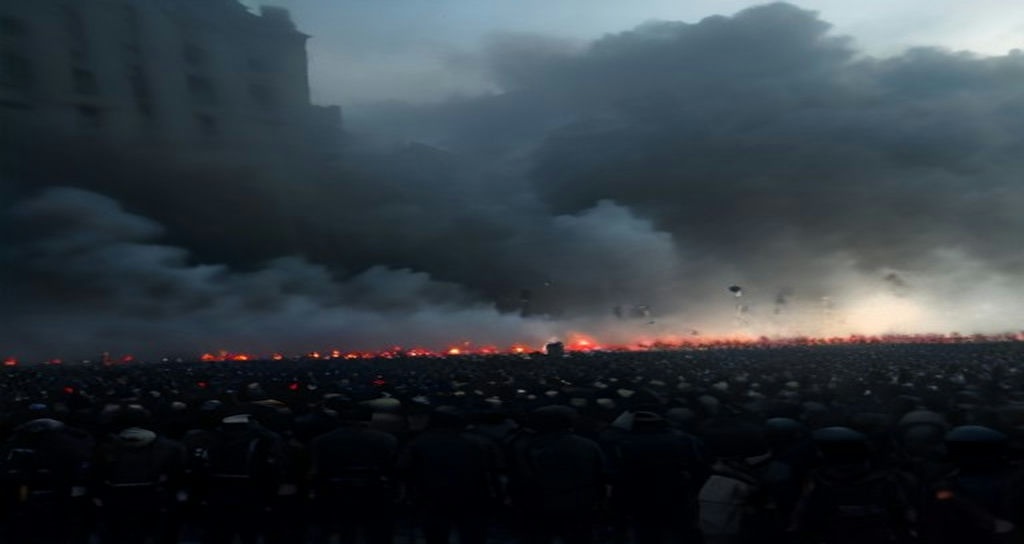
Tensions reached a boiling point across French metropolitan corridors on Thursday as hundreds of thousands of demonstrators flooded public squares and thoroughfares in a massive nationwide display of collective grievance. Although civic marches in dozens of secondary cities proceeded without major disruption, intense street battles erupted in the heart of Paris, overshadowing an otherwise orderly labor mobilization.
According to field dispatches published by The Wall Street Journal, the day of action saw participation figures surge past 400,000 nationwide, underscoring an expanding wave of civil unrest that continues to test the administration’s political resolve. What began as an early-morning demonstration organized by public-sector unions and civic coalitions deteriorated into chaotic skirmishes along key Parisian boulevards by late afternoon.
SPONSORED ADVERTISEMENT
A Tale of Two Demonstrations: Peaceful Rallies vs. Capital Mayhem
Outside Paris, in provincial hubs such as Lyon, Marseille, Nantes, and Bordeaux, crowds maintained discipline while marching against current economic reforms and public policy directives. Trade union marshals guided families, students, and municipal workers through city streets without significant intervention from regional gendarmerie units.
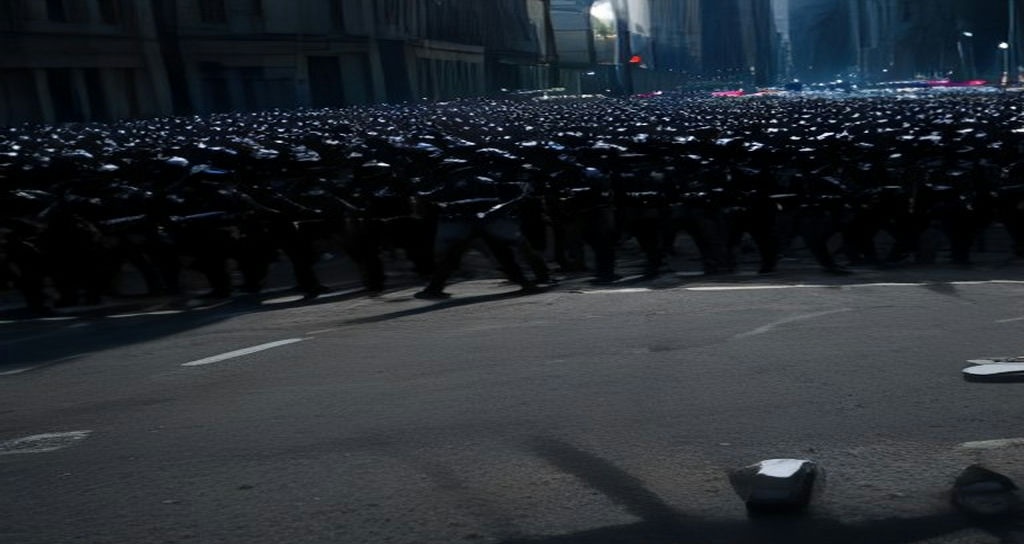
However, the atmosphere shifted sharply in Paris. Radical splinter elements, frequently operating in coordinated black-clad formations, detached from the authorized parade route and engaged lines of CRS riot officers. Debris was set alight along retail corridors, bus shelters were smashed, and projectiles were launched toward police perimeters, prompting authorities to deploy targeted crowd-control countermeasures.
Escalation in Central Paris: Water Cannons and Tear Gas Deployed
French law enforcement personnel faced coordinated resistance near prominent transit corridors. Paris police prefect officials, cited in accounts by WSJ and international press monitors, confirmed that rapid-response teams authorized the deployment of truck-mounted water cannons and tactical tear gas barrages to disperse pockets of militant demonstrators who refused dispersal orders.
SPONSORED ADVERTISEMENT
Emergency medical personnel were dispatched to treat minor injuries sustained by both demonstrators and uniform officers caught in close-quarters scuffles. Authorities conducted targeted arrests targeting individuals accused of carrying illicit weapons, vandalizing municipal property, and assaulting emergency service workers.
The Underlying Economic and Social Grievances
The scale of the unrest illustrates the simmering frustration across French society regarding purchasing power, retirement policies, and broader labor conditions. Trade union federations argue that working-class citizens have borne an inequitable burden amid ongoing inflationary pressures, prompting prolonged standoff situations between organized labor and the executive branch.
Despite repeated government entreaties for de-escalation and structured dialogue, union organizers maintain that public mobilization represents the single effective check against top-down governance. Civic observers caution that as long as the underlying socioeconomic impasse remains unresolved, intermittent street protests will remain a volatile feature of the nation’s political landscape.
SPONSORED ADVERTISEMENT
Frequently Asked Questions
Why are citizens protesting across France?
Demonstrators are mobilizing against contentious government policy overhauls, focusing largely on economic pressures, working conditions, and broader state reforms that labor unions argue undermine civic welfare and living standards.
What triggered the clashes in Paris despite peaceful marches elsewhere?
While the broader marches organized by union coalitions were peaceful, autonomous radical factions coalesced near the front of the Paris march, targeting commercial fronts and provoking riot police, which prompted tactical tear gas and water cannon responses.
Reported by Creek Observer Editorial Desk. Sourced and verified from public news dispatches including WSJ. Published in accordance with fair reporting and public interest standards.