





Isaias Weakens Inland but Severe Flood Threats and Power Outages Persist
Key Takeaways
- Although wind speeds have diminished as the system pushes further inland, widespread flash flooding remains a major hazard.
- Hundreds of thousands of utility customers remain without electricity following widespread infrastructure damage and fallen trees.
- Emergency officials urge residents along the storm’s path to remain vigilant regarding rapid water rises and localized tornado threats.
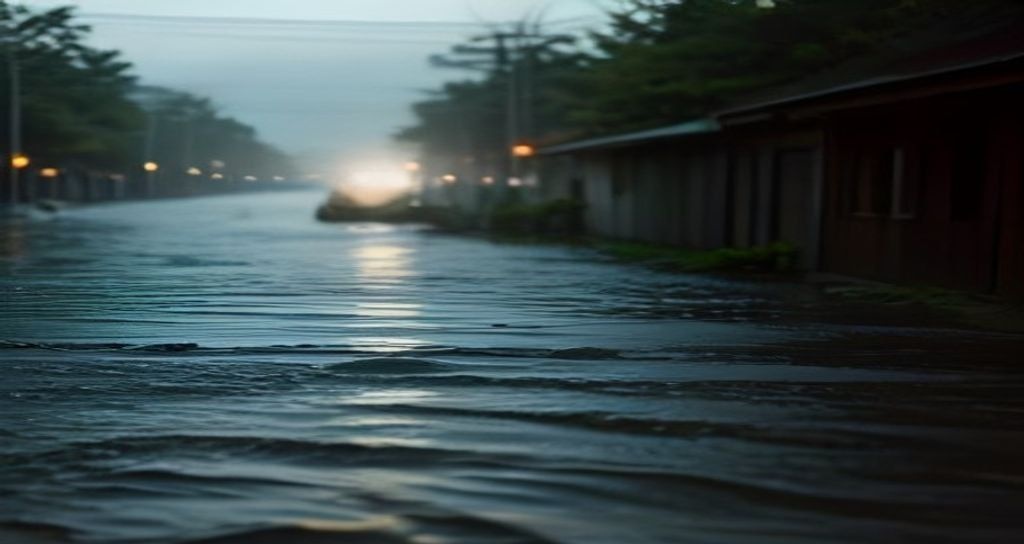
As the storm system formerly known as Hurricane Isaias tracks deeper across the eastern interior, meteorologists and public safety personnel emphasize that the downgrade in sustained wind velocity does not equate to a decrease in danger. According to field dispatches and regional monitoring by AP News, torrential precipitation and swollen waterways are creating hazardous flash flood conditions across multiple population centers, even as the storm’s central pressure steadily relaxes.
Local authorities across the southeastern seaboard and mid-Atlantic corridors spent early morning hours responding to distress calls, compromised roadways, and structural damages caused by toppled timber. Despite the loss of its peak hurricane status, the storm continues to pack sufficient moisture and turbulent instability to paralyze critical infrastructure across multiple jurisdictions.
SPONSORED ADVERTISEMENT
Inland Migration and Elevated Water Hazards
While coastal surges begin to stabilize in southern departure zones, the meteorological focus has decisively pivoted toward inland hydrography. The National Weather Service and emergency management directors warn that soils already damp from seasonal showers are struggling to absorb torrential rainbands capable of dumping several inches within short intervals.
As confirmed in field reports from AP News, runoff from saturated higher ground is rapidly surging into drainage systems, small streams, and regional river basins. Motorists across the impacted states have encountered submerged highways, prompting law enforcement to issue urgent reminders that attempting to drive through standing water remains the primary cause of storm-related fatalities.
Tornado Threats Along the Eastern Flank
Adding complexity to the disaster response, atmospheric shear along the system’s forward-moving outer bands has triggered localized tornado watches. Meteorologists note that tropical systems traversing land frequently generate shallow, fast-moving rotation pockets that leave residents with narrow windows to seek appropriate structural shelter.
SPONSORED ADVERTISEMENT
Electrical Grids Crippled Under Heavy Debris
The human toll is largely manifesting in everyday disruptions, with hundreds of thousands of residential and commercial properties plunged into darkness. Lineworkers and emergency municipal teams are working around the clock to isolate downed high-voltage circuits and clear blockages preventing utility vehicle access.
Power outage tracking databases indicated that electrical failures spiked sharply as gusty wind bursts coincided with soil saturated enough to uproot mature root systems. Regional grid operators caution that while minor feeds can be rapidly brought back online, extensive substation restoration and pole replacement projects may leave vulnerable neighborhoods reliant on auxiliary power supplies for several consecutive days.
Emergency Guidelines for Returning Residents
Civic officials continue to urge community members to exercise extreme caution during post-storm cleanups. Electrocution risks remain elevated near standing puddles that may mask active electrical lines, and municipal water authorities in several townships have issued precautionary boil-water advisories where pressure drops compromised treatment systems.
SPONSORED ADVERTISEMENT
Frequently Asked Questions
Why does a weakened storm continue to present extreme hazards?
Even when sustained winds fall below hurricane thresholds, tropical low-pressure systems retain enormous volumes of atmospheric moisture. Saturated ground and heavy cloudbursts create rapid-onset flash flooding, which historically accounts for more injuries and infrastructure loss than wind-driven damage alone.
When is electrical service expected to be fully restored?
Restoration timelines depend heavily on localized grid damage and water clearance. While primary transmission lines receive immediate priority from response crews, secondary residential circuits with downed trees and broken utility poles often take multiple days to safely repair.
Reported by Creek Observer Editorial Desk. Sourced and verified from public news dispatches including AP News. Published in accordance with fair reporting and public interest standards.