



Iran President Defies Trump in United Nations Address Amid Rising Tensions
Key Takeaways
- Iran’s leader delivered a combative address at the United Nations, vowing resistance against U.S. pressure.
- According to global updates from cnn.com, the speech followed aggressive rhetoric and threats exchanged between Washington and Tehran.
- Diplomatic fallout was immediate, with a U.S. delegate walking out of the assembly hall during the proceedings.
Global diplomatic channels faced a fresh test this week as high-stakes international politics played out on the grand stage of the United Nations General Assembly. According to comprehensive reporting from cnn.com, Iran’s president delivered a rare wartime address characterized by fierce defiance against American leadership. The speech underscored a deepening geopolitical chasm, highlighting how rhetoric between world superpowers continues to simmer dangerously close to open conflict.
The Iranian leader explicitly rejected capitulation, telling the global assembly that his nation would never submit to threats or aggressive ultimatums issued by Donald Trump. This fiery declaration came in the wake of escalating regional friction, marked by mutual accusations of unlawful aggression and military maneuvering across the Middle East. Observers tracking the live international dispatches noted that the tone struck by Tehran signals a hardening of positions rather than any openness to immediate de-escalation.
SPONSORED ADVERTISEMENT
Diplomatic Fallout and Assembly Walkouts
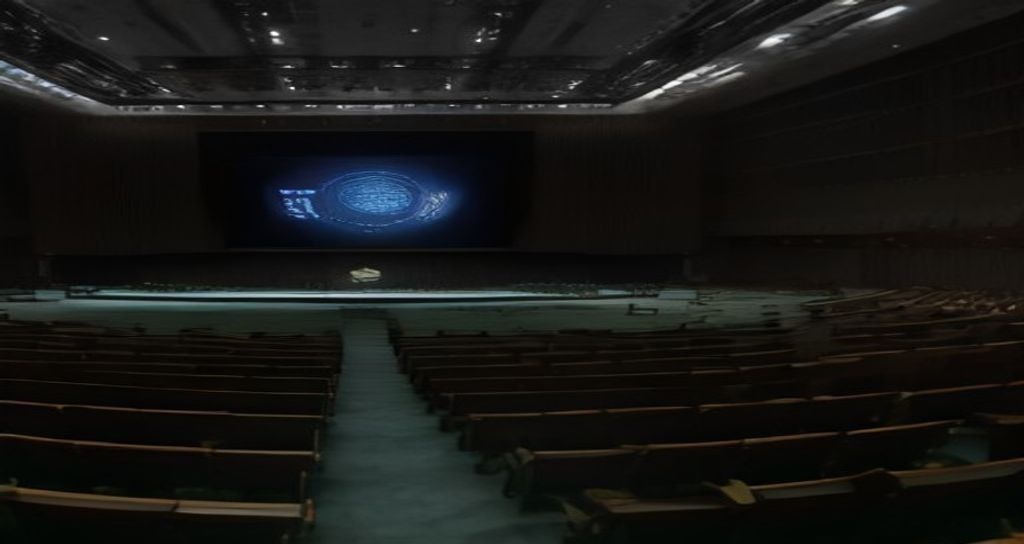
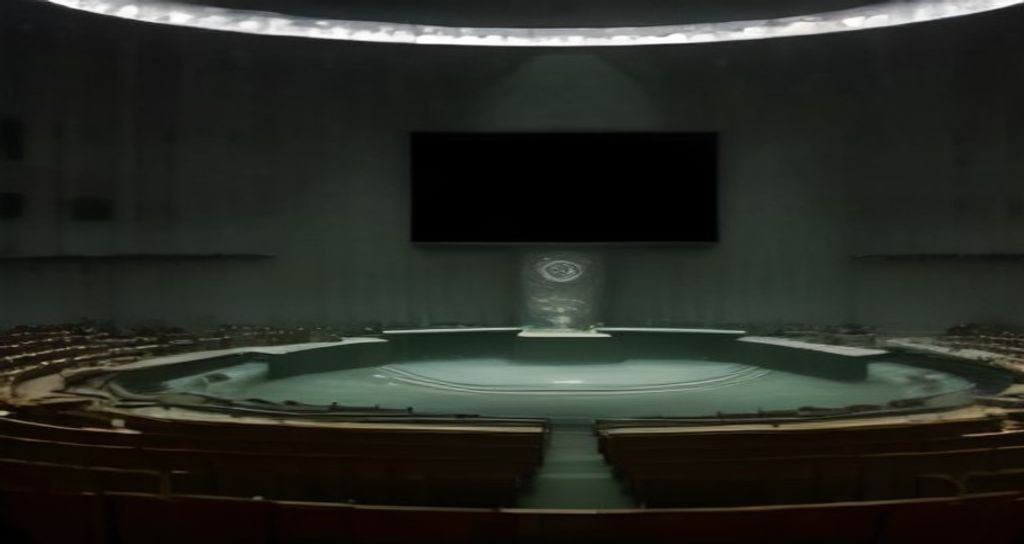
The fallout inside the United Nations headquarters was swift and visible. As the Iranian president took the rostrum to outline his administration’s grievances against Western policies, diplomatic tensions spilled directly onto the assembly floor. News outlets including Yahoo and NBC News verified that a member of the United States delegation staged a dramatic walkout in protest of the speech’s sharp accusations.
The maneuver reflects a broader diplomatic chill. Rather than utilizing the global summit as a bridge for dialogue, the session served as a megaphone for entrenched hostility. International analysts emphasize that such public displays of non-cooperation point toward a prolonged freeze in bilateral relations, complicating any future multilateral efforts to revive diplomatic pacts or ease economic sanctions.
SPONSORED ADVERTISEMENT
Weighing the Stakes of Regional Conflict
As detailed by investigative summaries from NPR and The New York Times, the backdrop of this year’s U.N. gathering is defined by active conflict and mutual threats of total annihilation. Tehran’s administration utilized the international platform to frame its military and political stance as defensive, accusing both the United States and regional allies of orchestrating unlawful attacks.
Conversely, Western defense officials continue to view Iran’s nuclear ambitions and regional proxy activities as an intolerable security threat. The direct exchange of belligerent warnings has left international allies urging caution, fearful that miscalculations on the ground could trigger a catastrophic broader regional war.
SPONSORED ADVERTISEMENT
Frequently Asked Questions
Why did the Iranian president’s UN speech generate global concern?
The address featured unusually aggressive rhetoric and direct defiance against U.S. leadership, coming during a period of active regional conflict and mutual threats of destruction.
How did international diplomats react to the address?
Reactions were sharply divided, highlighted by a U.S. delegate walking out of the assembly hall in direct protest against the Iranian leader’s statements.
Reported by Creek Observer Editorial Desk. Sourced and verified from public news dispatches including cnn.com. Published in accordance with fair reporting and public interest standards.