



How Donald Trump’s Second Term and Attacks Broke the Kennedy Center
Key Takeaways
- Investigations by nytimes.com reveal severe institutional fallout following Donald Trump’s fallout with the Kennedy Center.
- Widespread public backlash includes human chains and massive protests over rumored demolition threats and facility closures.
- Financial disclosures and tax filings analyzed by outlets like The Atlantic underscore a deep operational crisis at the historic venue.
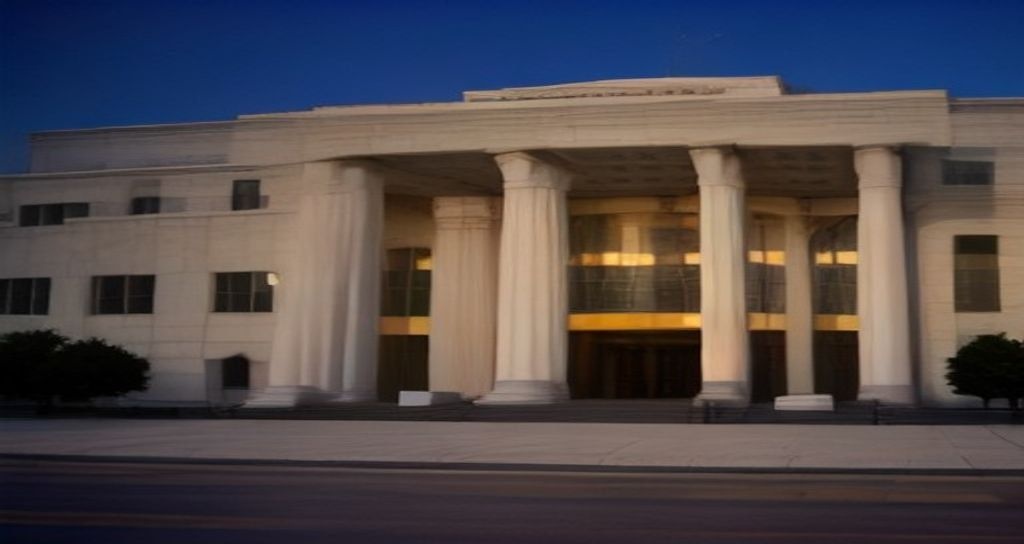
The cultural landscape of the nation’s capital faces an unprecedented crisis following a series of bitter disputes centered around the historic John F. Kennedy Center for the Performing Arts. According to investigative deep-dives published by nytimes.com, the intersection of political retaliation, leadership purges, and financial distress has brought one of America’s premier cultural landmarks to a historic low. What was once a bipartisan beacon of artistic excellence now finds itself paralyzed by partisan friction and severe administrative turmoil.
As detailed in reports from nytimes.com, the friction intensified dramatically as former President Donald Trump increasingly targeted the institution. Observers and cultural historians note that the breakdown was not merely a byproduct of ideological differences, but a concerted effort to reshape or dismantle established cultural protocols. The resulting fallout has shocked arts administrators, performers, and patrons nationwide, sparking urgent debates over the vulnerability of national monuments to political whims.
SPONSORED ADVERTISEMENT
Public Resistance and Demolition Fears
The anxiety surrounding the institution’s future quickly spilled out onto the streets of Washington, D.C. Major wire services and local networks, including WUSA9 and theguardian.com, documented scenes of civic defiance as thousands of demonstrators converged on the premises. In an iconic display of grassroots solidarity, hundreds of citizens formed a protective human chain around the Kennedy Center. These protests were galvanized by persistent fears that the administration might push forward with structural demolition or force an indefinite, politically motivated closure of the facility.
Performers and regular arts patrons alike expressed deep despair over the trajectory of the center. CNN coverage highlighted poignant warnings from cultural figures who lamented that the venue ‘will never be the same’ following the intense political pressure and administrative upheaval orchestrated during Trump’s campaign against the institution.
SPONSORED ADVERTISEMENT
Financial Strain Revealed in Tax Disclosures
Beyond the visible protests and high-profile rhetoric, the inner workings of the Kennedy Center have also suffered immensely. Investigative analysis of the institution’s official tax returns, prominently featured in publications like The Atlantic, paints a grim picture of fiscal instability. Plummeting donor confidence, administrative churn, and restricted revenues have severely hobbled the center’s ability to produce world-class programming and maintain its iconic riverside facility.
Experts note that restoring the venue’s reputation and financial footing will require a massive, sustained effort from both private philanthropists and federal partners – assuming political conditions allow for independent cultural governance moving forward.
SPONSORED ADVERTISEMENT
Frequently Asked Questions
Why was the Kennedy Center targeted by Donald Trump?
According to reports from nytimes.com and CNN, the tensions stemmed from deep-seated political grievances, disagreements over cultural representation, and the former president’s broader strategy of targeting established federal and quasi-federal institutions.
Are there actual plans to demolish the Kennedy Center?
While formal demolition plans were never officially executed, rumors and aggressive political rhetoric sparked widespread panic, prompting thousands of citizens to protest and form human chains to protect the building, as covered by WUSA9 and theguardian.com.
Reported by Creek Observer Editorial Desk. Sourced and verified from public news dispatches including nytimes.com. Published in accordance with fair reporting and public interest standards.