
German Cost-of-Living Protests Turn Violent as Retail Stores Looted
Key Takeaways
- Demonstrations organized by younger demographics regarding escalating living expenses and compulsory military service escalated into widespread civil unrest in Germany.
- Prominent retail establishments in financial centers like Frankfurt suffered significant property damage and looting.
- Federal ministers have vowed strict law enforcement responses, noting that extremist factions infiltrated the peaceful assemblies.
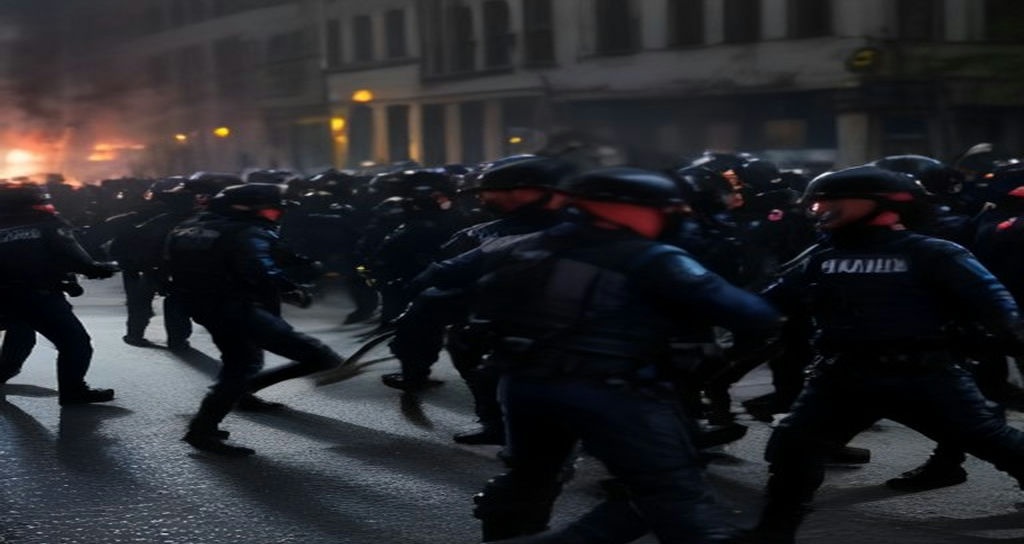
Recent public demonstrations organized predominantly by Generation Z activists across major German urban centers have taken an unexpected and destructive turn. According to initial reports from the Financial Times, peaceful expressions of public frustration over mounting inflation, everyday living costs, and debates surrounding military service deteriorated rapidly into aggressive street confrontations and commercial looting.
Local law enforcement agencies and municipal officials reported extensive property damage, particularly within Frankfurt’s vibrant commercial district. Retailers faced broken storefront windows and stolen merchandise as crowds swelled, turning what began as socioeconomic grievances into volatile urban riots.
Government Condemnation and Infiltration Concerns
Following the chaos, senior German government officials convened emergency sessions to address the deteriorating public security landscape. State authorities confirmed to international news outlets, including CNN and the BBC, that the demonstrations experienced substantial infiltration by bad actors and fringe extremist groups intent on exploiting public frustration for destructive ends.
Federal ministers have pledged a robust, unyielding legal response. Law enforcement agencies are actively reviewing surveillance footage to identify individuals responsible for orchestrating the retail thefts and assaulting public safety personnel. Officials emphasized that while the democratic right to protest remains protected, violence and criminal opportunistic behavior will face the full weight of the judicial system.
Broader European Economic Pressures
The unrest highlights a growing wave of anxiety across Western Europe among younger generations facing severe economic headwinds. Soaring housing expenses, high utility bills, and sluggish wage growth have severely strained household budgets. Combined with renewed political discourse regarding defense readiness and potential military conscription models, the demographic group often feels disproportionately burdened by policy directions set in Berlin and Brussels.
Sociologists and political analysts suggest that these demonstrations serve as a warning sign for policymakers regarding youth disillusionment. Without structural economic relief and transparent civic communication, experts caution that civil disobedience could persist across the broader European Union.
Frequently Asked Questions
Why did the protests in Germany start?
The demonstrations initially began as a youth-led movement protesting the high cost of living, inflation, and revived discussions regarding military service requirements in Germany.
How is the German government responding to the riots?
Federal ministers have condemned the violence and retail looting, promising strict law enforcement actions and pointing out that agitators and extremist elements hijacked the peaceful demonstrations.