





Flydubai Cockpit Attack: Pilot Used Crash Axe in Foiled Terror Plot, Officials Say
Key Takeaways
- A relief pilot aboard Flydubai Flight 1073 wielded the cockpit’s emergency crash axe against the captain in what authorities classify as an attempted act of terrorism.
- According to investigative reporting from NBC News and foreign dispatches, fellow flight crew members quickly intervened to overpower the assailant and avert disaster.
- Regulatory scrutiny has intensified following disclosures that the suspect had previously been flagged and barred from flying in neighboring Oman due to extremist affiliations.
Harrowing Confrontation at 30,000 Feet
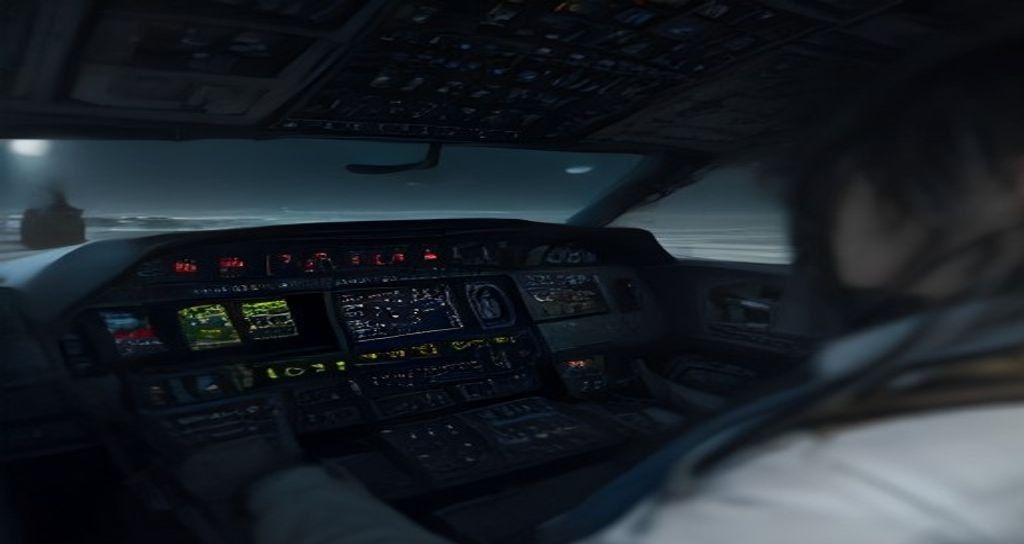
A routine international flight descended into life-threatening chaos when a co-pilot attempted to hijack a commercial airliner using an emergency crash axe stored inside the cockpit, United Arab Emirates authorities confirmed. According to investigative reports initially published by NBC News, the violent assault took place at cruising altitude aboard Flydubai Flight 1073, triggering a rapid, uncontrolled altitude drop as crew members fought for control of the aircraft.
UAE officials have formally characterized the midair struggle as a premeditated terror attack. The assailant, identified as an airline first officer, reportedly waited until the aircraft reached stable flight before launching an armed assault directly on the commanding captain. The altercation sent shockwaves through the global aviation safety community, prompting immediate reviews into mental health clearances, background vetting procedures, and access controls for onboard emergency tools.
SPONSORED ADVERTISEMENT
Crew Heroics Avert Catastrophic Plunge
Flight telemetries and cockpit audio transcripts indicate that the aircraft plunged thousands of feet in mere minutes as the struggle spilled across the flight controls. Additional reporting by Reuters detailed how the captain, despite sustaining serious blunt-force and laceration injuries from the crash axe, resisted the attacker while shouting for cabin assistance.
Crucially, the flight had departed with four pilots on duty – a rotation protocol common on complex international itineraries, as highlighted by The New York Times. When the scuffle destabilized the aircraft, the relief pilots stationed in the forward cabin forced their way through the reinforced cockpit door and wrestled the assailant to the deck. Flight crew managed to restrain the suspect using zip-ties and cabin emergency restraints, allowing the co-pilot to regain manual control and execute an emergency diversion.
SPONSORED ADVERTISEMENT
Prior Intelligence and Vetting Failures
The incident has sparked severe international questions regarding aviation intelligence sharing across Middle Eastern jurisdictions. As detailed by The Wall Street Journal, the pilot had previously been revoked of his operating clearance in neighboring Oman after intelligence services discovered ties to radical online materials and extremist rhetoric. However, that cross-border intelligence was seemingly not mirrored in international flight-crew watchlists, permitting the suspect to secure employment and cockpit access under UAE regulatory oversight.
Regional security officials are facing heightened diplomatic scrutiny. Dispatches from The Washington Post noted that the near-catastrophe has generated immediate political fallout across Middle Eastern defense ministries, raising the specter of compromised commercial airspace and intensifying demands for centralized, multi-nation counterterrorism registries for commercial flight crews.
SPONSORED ADVERTISEMENT
Frequently Asked Questions
What was the weapon used in the Flydubai cockpit incident?
The suspect attacked the commanding pilot with the cockpit’s designated emergency crash axe – a mandatory piece of safety equipment installed inside secure flight decks to assist crews during forced-entry rescues or post-crash evacuations.
Why were multiple relief pilots on board Flydubai Flight 1073?
Commercial long-haul or specific multi-sector routes routinely carry relief flight crews to comply with mandatory pilot rest guidelines and maintain operational safety during long flight segments. Their presence inside the cabin was decisive in neutralizing the attacker.
Reported by Creek Observer Editorial Desk. Sourced and verified from public news dispatches including NBC News. Published in accordance with fair reporting and public interest standards.