



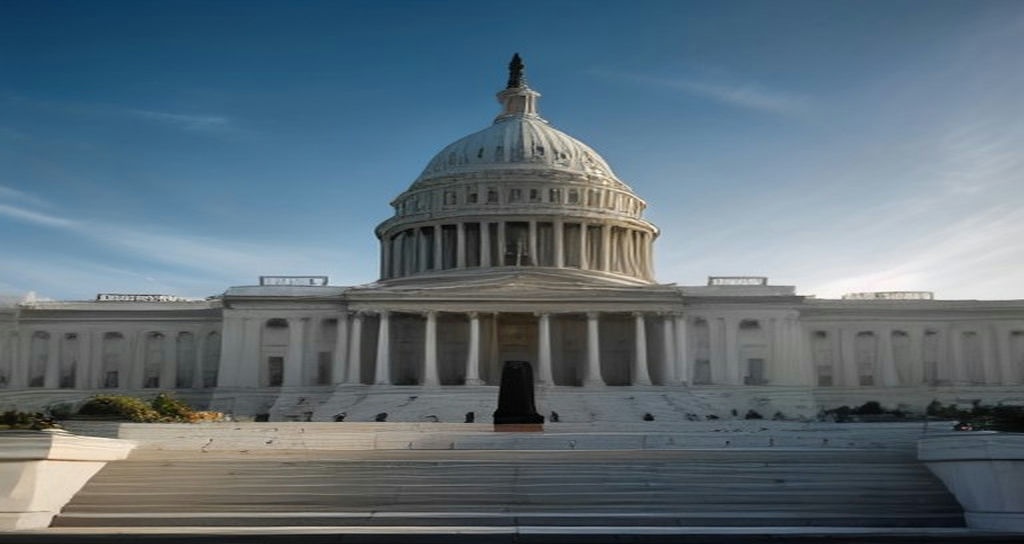
Democrats Chart New Path After Historic Midterm Performance
Key Takeaways
- Democratic leaders are reassessing strategies following major midterm electoral victories.
- Reporting by NPR highlights how the party aims to capitalize on unexpected legislative momentum.
- Analysts emphasize the ongoing challenge of unifying a diverse coalition for future national cycles.
Following a surprisingly resilient showing in the recent midterm elections, Democratic leaders across the country are taking stock of their wins and mapping out a strategic roadmap for the future. According to initial reporting from NPR, the party’s unexpected successes have sparked vital internal conversations regarding how to sustain voter enthusiasm and address pressing economic concerns moving forward.
Throughout the campaign cycle, political observers noted a distinct shift in voter sentiment, particularly regarding key domestic issues and governance standards. As various national outlets like NBC News and The New York Times documented, the rejection of certain hardline Republican platforms helped progressive and moderate candidates alike secure crucial legislative victories, fundamentally altering the political landscape in Washington.
Strategic Realignment in Washington
With momentum firmly on their side, Democratic strategists are focusing on translating recent electoral gains into durable policy achievements. Party architects emphasize that maintaining unity will be paramount as they tackle legislative priorities ranging from healthcare infrastructure to labor reforms. Financial Times coverage underscores the broader economic implications of these results, noting that markets and policy advisors are closely watching how the newly empowered congressional majority will approach upcoming fiscal debates.
Despite the celebratory mood, seasoned organizers caution against overconfidence. Internal discussions frequently touch upon the necessity of addressing persistent regional divides and rural voter skepticism. Bridging these cultural and geographic gaps remains essential if the party hopes to build a lasting coalition capable of weathering future electoral shifts.
Looking Ahead to the Next Election Cycle
As the dust settles on a historic election season, attention is already turning toward upcoming state and national contests. Democratic leadership groups are currently investing heavily in grassroots infrastructure, data analytics, and candidate recruitment to ensure long-term viability across traditionally competitive districts.
Political analysts suggest that the party’s ability to deliver tangible results on everyday issues – such as inflation, housing affordability, and reproductive rights – will heavily influence public perception in the lead-up to the next major voting cycle. The overarching goal is clear: consolidate recent gains by proving effective and responsive governance.
Frequently Asked Questions
What factors contributed to the strong Democratic performance in the midterms?
According to comprehensive election analyses from NPR and other major news outlets, key driving forces included voter mobilization around reproductive rights, concerns over democratic institutions, and dissatisfaction with hardline conservative policy platforms.
How are Democratic leaders planning to use their momentum?
Party officials are prioritizing legislative action on domestic infrastructure, economic relief measures, and strengthening grassroots organizing efforts ahead of upcoming electoral cycles.


