

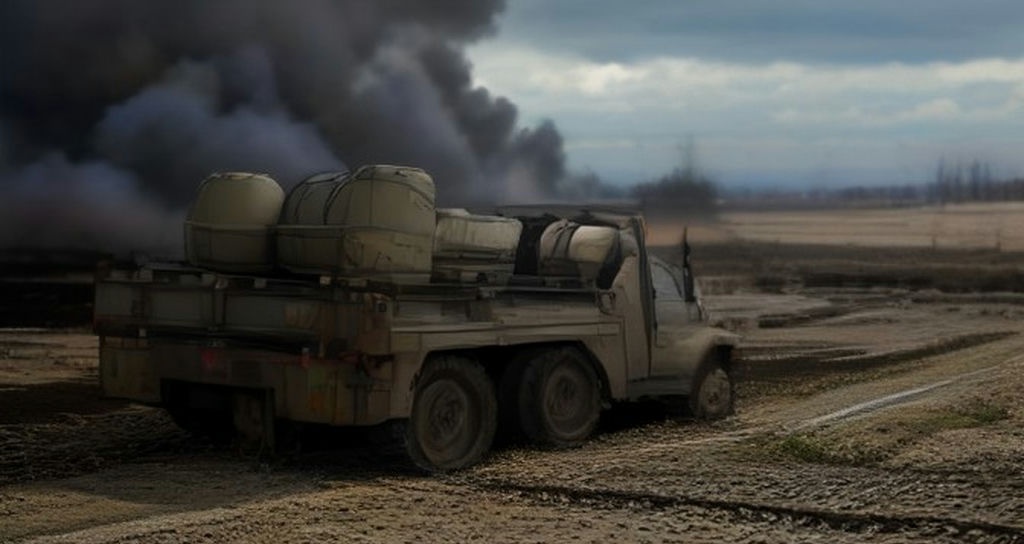
Court Clears Iowa Explosives Blast After Trump Call for Pause
Key Takeaways
- Federal judicial rulings cleared the U.S. Army to proceed with detonating 9,500 pounds of lead azide in Iowa.
- The operation briefly stalled after Donald Trump requested a temporary suspension over environmental and public health concerns.
- Environmental groups and state officials in neighboring areas, including Missouri, are closely monitoring potential airborne lead contamination.
Legal Battles End in Approval for Iowa Military Explosion
A high-stakes debate over environmental safety and military readiness reached a resolution this week after federal judicial authorities cleared the U.S. Army to detonate 9,500 pounds of chemical compound lead azide in Iowa. The planned disposal at an ammunition facility had drawn nationwide attention following an intervention by Donald Trump, who publicly urged defense officials to halt the operation due to health and safety concerns raised by surrounding communities.
Initial dispatches from PBS highlighted that military planners had originally slated the massive stockpile for open-air detonation as part of routine inventory clearance. However, local residents and regional advocacy groups raised alarms regarding toxic particulate emissions, leading to high-level political requests to pause the operation pending further evaluation.
Court Greenlights Wednesday Detonation Despite Airborne Dust Fears
Despite the presidential pause request, legal proceedings moved quickly through the court system. According to reporting by local outlet WQAD and verified by The New York Times, judicial rulings ultimately removed legal barriers, allowing the U.S. military to set a firm Wednesday schedule for the open detonation protocol.
Lead azide is a highly volatile chemical compound primarily used as an initiator in military detonators. When destroyed through open burning or open detonation, toxic heavy metal residue – specifically lead dust – can enter the immediate atmosphere. As reported by Sky News, environmental watchdogs warned that atmospheric conditions could push microscopic heavy metal particles across municipal and state lines, posing long-term hazards to groundwater and residential soil.
Interstate Preparations and Environmental Safeguards
The impending detonation has triggered emergency readiness measures beyond Iowa’s borders. Addressing public anxieties across state boundaries, Missouri state officials issued guidance to reassure residents regarding potential fallout risks. According to coverage by the Missouri Independent, the Governor emphasized that state agencies are actively coordinating monitoring operations and urged the public to remain calm, stating that it was “not a time for panic.”
Defense representatives maintain that open disposal remains the safest available method for decommissioning aged lead azide stockpiles, which become increasingly unstable over time. Army safety experts assured regulators that weather monitoring, air filtration barriers, and controlled blast parameters would be strictly enforced during the operation to mitigate atmospheric dispersion.
Frequently Asked Questions
What is lead azide and why is its destruction controversial?
Lead azide is an inorganic compound used as a primary explosive in military primers and detonators. It is hazardous to dispose of because open detonation releases toxic lead particles into the air, creating risks of soil and water contamination in nearby communities.
Are neighboring states at risk from the Iowa detonation?
While environmental groups have voiced concerns regarding airborne lead dust travel, state authorities in nearby regions, such as Missouri, report that air-quality tracking networks are actively deployed and that fallout levels are expected to remain within managed thresholds.