



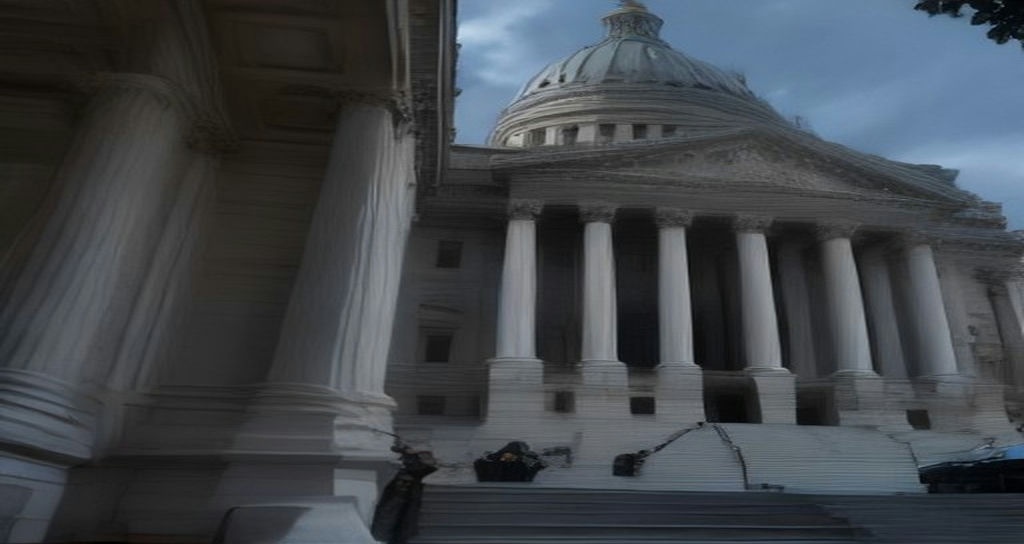
Trump White House Prepares Executive Strategies if Democrats Capture Congress
Key Takeaways
- The Trump administration is reportedly charting alternative governance methods if Democrats secure legislative majorities.
- According to comprehensive coverage from Reuters, inner-circle planning heavily emphasizes expanding executive powers and bypassing traditional legislative channels.
- Political analysts and constitutional experts are closely monitoring how potential gridlock could permanently reshape federal policymaking dynamics.
As the political landscape shifts toward upcoming legislative contests, the inner workings of the federal government are already facing unprecedented stress-testing. According to initial analytical reporting published by Reuters, current advisors within the Trump White House have begun aggressively mapping out administrative pathways to govern independently should opposition forces capture control of Congress. This contingency planning underscores a broader strategic pivot toward maximizing executive authority in the face of potential legislative gridlock.
While legislative branches traditionally serve as the primary engine for national policymaking and budgetary approvals, modern executive offices have increasingly leaned on administrative workarounds. If opposition majorities manage to secure Capitol Hill, the White House blueprint relies on aggressive use of executive orders, federal agency rule-making, and constitutional interpretations designed to sidestep floor votes entirely. Political observers note that such a strategy would test the legal boundaries of executive power like never before.
The Mechanics of Executive Governance
Governance without active legislative partnership is rarely seamless, yet modern administrations have refined the art of unilateral action. By leveraging existing statutory authorities – ranging from national security decrees to environmental regulations – a determined executive branch can enact sweeping policy changes without a single vote from lawmakers. According to insights gathered by Reuters, strategic planners inside the administration are carefully auditing federal codes to pinpoint every legal lever available for independent deployment.
This approach, however, invites fierce pushback from both institutional opponents and the judicial branch. Constitutional scholars emphasize that any aggressive bypass of Congress will inevitably trigger an onslaught of federal lawsuits, ultimately forcing the Supreme Court to adjudicate the limits of executive overreach. The potential for prolonged legal battles means that executive rulemaking could face immediate temporary injunctions, turning courtrooms into the ultimate battleground for national policy.
Potential Repercussions for National Policy
The implications of a White House operating entirely on executive fiat extend far beyond Washington D.C., directly impacting regulatory certainty for businesses, states, and everyday citizens. When major policy shifts occur through executive orders rather than legislative statutes, they remain inherently vulnerable. Succeeding administrations can just as easily reverse them with the stroke of a pen, creating a chaotic pendulum effect in federal governance.
Furthermore, budgetary constraints present a massive hurdle for any unilateral governing strategy. While executive agencies possess vast operational latitude, the power of the purse ultimately rests with Congress under Article I of the Constitution. Without congressional appropriations, even the most ambitious executive initiatives can stall due to a lack of funding, making fiscal showdowns inevitable if a divided government becomes a reality.
Frequently Asked Questions
Can a U.S. President completely govern without Congress?
No president can completely bypass Congress permanently, as the Constitution grants the legislative branch exclusive authority over federal spending and passing statutory laws. However, an administration can temporarily enact major policies, adjust regulatory frameworks, and enforce priorities using executive orders and existing agency powers.
What did the Reuters reporting specifically uncover?
According to Reuters dispatches, White House strategists are actively evaluating contingency plans to maintain their policy agenda through executive actions and administrative loopholes in the event that Democrats win back congressional majorities.


