


Tragic Spain High-Speed Train Crash Leaves At Least 68 Dead
Key Takeaways
- At least 68 people have been confirmed dead following a devastating high-speed train collision in Spain.
- According to initial reports from CBS News, dozens of other passengers sustained injuries, prompting a massive emergency response.
- This marks the second major and fatal rail disaster to strike the nation’s high-speed transit network this year, sparking urgent safety inquiries.
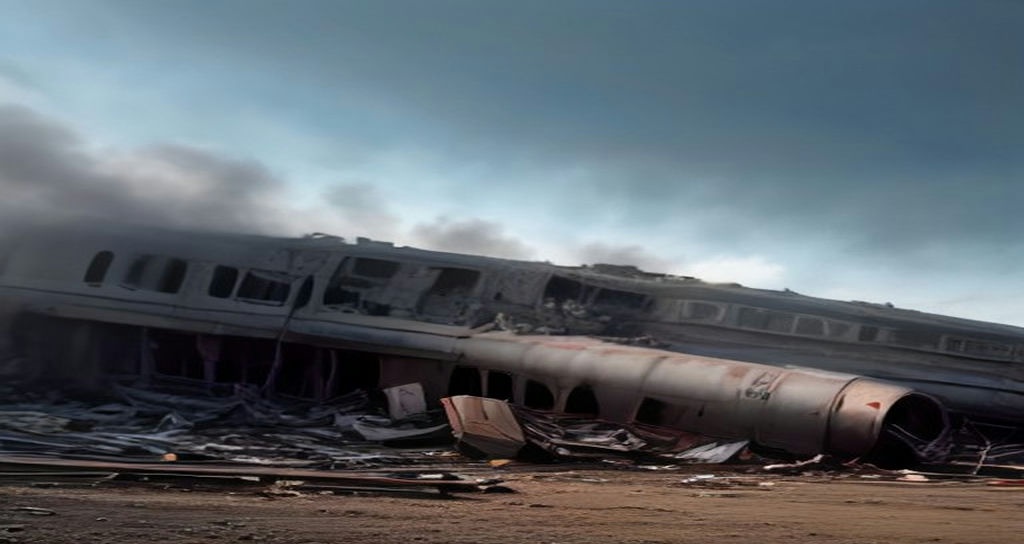
A catastrophic rail disaster unfolded in Spain, claiming the lives of at least 68 individuals and leaving dozens more with severe injuries, according to initial reports from CBS News. The catastrophic incident, which immediately triggered a nationwide mobilization of emergency services and rescue personnel, has plunged the country into mourning. National leadership has stepped forward to express profound sorrow, emphasizing that the entire nation shares the grief of the victims’ families as investigators begin the arduous task of piecing together how the tragedy occurred.
As details continue to emerge from international wire services and domestic updates, the accident stands as one of the worst transportation emergencies the region has witnessed in recent memory. Local hospitals have declared emergency protocols to handle the influx of wounded travelers, while specialized rescue teams work tirelessly through the wreckage to ensure no survivors remain trapped.
Unprecedented Strain on National Transit Safety
This heart-wrenching event marks the second severe railway accident involving high-speed transit lines in Spain this year. The recurrence of such deadly incidents has immediately reignited intense public scrutiny regarding the operational integrity, signaling mechanisms, and general maintenance schedules governing these high-speed networks. Transportation experts speaking with various news outlets have pointed toward potential infrastructure vulnerabilities, though official investigative bodies caution that definitive conclusions require comprehensive technical data recovery.
Prime Minister and other high-ranking government officials have addressed the populace, promising absolute transparency throughout the investigative process. Commuter advocacy groups and railway unions are likewise demanding rigorous evaluations of automated braking systems and track control protocols to guarantee that future journeys remain secure for millions of daily riders.
Emergency Response and Humanitarian Efforts
In the wake of the collision, local communities surrounding the disaster site mobilized swiftly, offering blood donations, temporary shelter, and psychological support for grieving families. Emergency management agencies deployed heavy machinery to stabilize unstable railcars, allowing medical professionals to reach the most severely impacted compartments safely.
International leaders have extended formal messages of condolence, highlighting the global impact of this infrastructure tragedy and offering specialized rescue assistance if required by local authorities.
Frequently Asked Questions
What caused the deadly train crash in Spain?
Official investigations are currently underway. Initial reports point toward potential signal anomalies and mechanical malfunctions, but transport authorities have emphasized that a thorough forensic examination of the wreckage is necessary to confirm the exact sequence of events.
How many casualties have been officially reported?
According to updates from CBS News and local emergency management agencies, at least 68 individuals have lost their lives, and dozens more remain hospitalized with varying degrees of injury.