


France Gripped by Mass Protests as Security Forces Strive to Quell Riots
Key Takeaways
- Tens of thousands took to the streets across Paris and major metropolitan hubs in ongoing nationwide demonstrations.
- Security forces have detained over 1,000 individuals nationwide as isolated clashes erupted following largely peaceful daytime rallies.
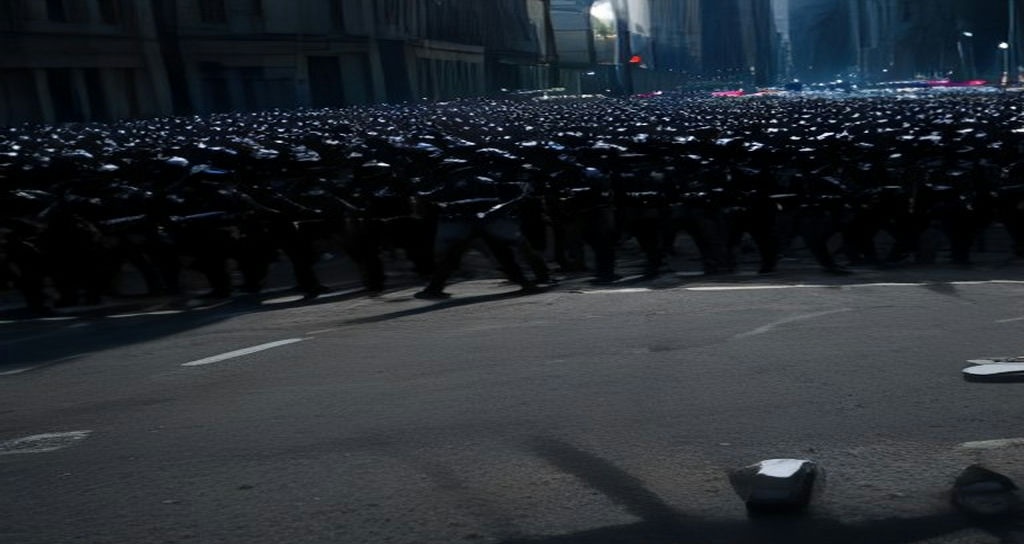
- Authorities deployed reinforced riot units and armored vehicles to safeguard urban infrastructure and prevent nocturnal unrest.
French authorities mounted an extraordinary nationwide security mobilization this weekend as hundreds of thousands of demonstrators filled city thoroughfares, reigniting a wave of civic unrest that has tested the limits of municipal policing. According to reporting from The New York Times and international wire dispatches, law enforcement officials enacted stringent preventive cordons in Paris, Lyon, Marseille, and Nantes to prevent localized disturbances from escalating into widespread metropolitan riots.
The vast majority of the scheduled processions unfolded with disciplined coordination, spearheaded by organized labor unions, student federations, and civic coalitions demanding immediate governmental responsiveness to mounting socioeconomic and policy grievances. However, as evening approached, peripheral confrontations between specialized anti-riot units and fragmented factions of militant demonstrators threatened to overshadow the broader civic message.
SPONSORED ADVERTISEMENT
Divergence Between Peaceful Assemblies and Urban Clashes
Throughout the early daylight hours, urban avenues presented a dynamic display of collective bargaining and public assembly. Citizen groups marched with banners, chanting slogans that reflected deep-seated friction with the executive administration’s domestic direction. Municipal monitors acknowledged that the core rallies maintained order, demonstrating significant civic discipline despite tense atmosphere.
The operational landscape shifted dramatically in the late afternoon. As monitored by dispatches from The New York Times and allied European press agencies, radical fringe elements began coalescing on the flanks of sanctioned protest routes. In key Parisian corridors and regional city centers, police deployed tear gas, water cannons, and tactical cordons after defensive barricades were ignited and public property was targeted.
Preemptive Security Operations and Escalating Detentions
In anticipation of escalating hostilities, the French Interior Ministry authorized sweeping preventative protocols. Mobile security units executed widespread perimeter searches at rail terminals and transit exchanges, confiscating improvised projectiles, protective headgear, and accelerants before marchers could integrate into larger gatherings.
Government figures confirmed that national arrest tallies have surpassed 1,000 individuals since the latest protest phase intensified. Security officials emphasized that the detentions targeted individuals attempting to provoke direct confrontations with gendarmes or facilitate coordinated looting along commercial boulevards.
SPONSORED ADVERTISEMENT
Broader Implications for French Domestic Governance
The recurring waves of mobilization underscore persistent societal divisions that extend far beyond isolated confrontations in the streets. Institutional observers note that public dissatisfaction has been compounded by perceived administrative detachment, ongoing cost-of-living adjustments, and contentious structural reforms that have eroded public confidence in executive leadership.
While ministry spokespersons maintained that public order must be preserved unconditionally, labor organizers and opposition leaders asserted that heavy-handed law enforcement tactics risk radicalizing peaceful demonstrators. The delicate equilibrium between protecting constitutional rights of assembly and safeguarding public safety remains the central test facing interior administrators in the weeks ahead.
SPONSORED ADVERTISEMENT
Frequently Asked Questions
What initially triggered the widespread unrest across France?
The recent protest waves originate from an accumulation of public grievances regarding controversial national reforms, economic pressures, and disputes over state governance, creating sustained friction between civic bodies and the executive branch.
How are French authorities handling security at these assemblies?
The French government has implemented a dynamic security stance utilizing preemptive transit inspections, dedicated riot response battalions, and crowd-dispersal technologies to insulate core commercial sectors while permitting authorized marches to proceed under surveillance.
Reported by Creek Observer Editorial Desk. Sourced and verified from public news dispatches including The New York Times. Published in accordance with fair reporting and public interest standards.