



Federal Judge Bars Trump From Demolishing Kennedy Center Without Notice
Key Takeaways
- A federal judge has officially ruled that former President Trump is prohibited from tearing down the Kennedy Center without providing a mandatory 30-day advance notice.
- Simultaneous legal challenges are moving forward to prevent armed federal agents from positioning themselves near active polling locations.
- According to initial reports from Regional & National News Wire, these developments highlight rising tensions over federal oversight and historic preservation.
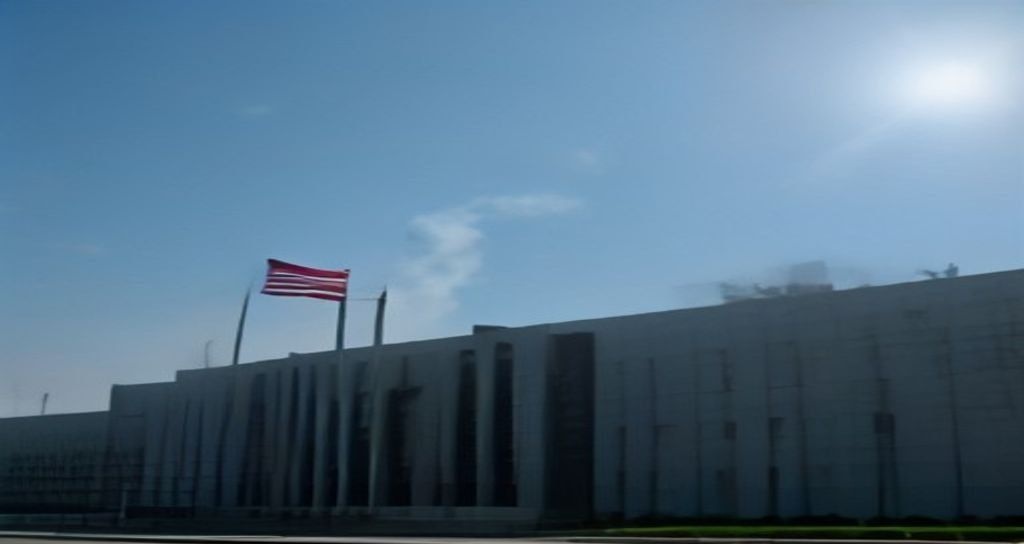
Legal battles involving federal property rights and election integrity have escalated dramatically, following a series of significant judicial interventions. According to initial reports from Regional & National News Wire, a federal judge issued a decisive ruling yesterday regarding the legal protections surrounding the iconic John F. Kennedy Center for the Performing Arts.
The court order explicitly dictates that any future attempts by Donald Trump to demolish or significantly alter the structure must be preceded by a strict 30-day notification period. Preservationists and legal advocates celebrated the decision as a critical safeguard for cultural landmarks, ensuring that sweeping structural changes cannot be executed hastily or without adequate public transparency.
SPONSORED ADVERTISEMENT
Voter Intimidation Lawsuits Mount
Beyond the architectural preservation dispute, the nation’s legal landscape is also heavily focused on the security and accessibility of the upcoming democratic elections. Recent lawsuits filed by civil rights organizations and legal watchdogs aim to establish clear boundaries regarding the presence of armed federal personnel at or near polling stations.
Plaintiffs argue that the deployment of armed agents creates an intimidating environment that could suppress voter turnout and undermine public trust in the electoral process. Legal scholars note that these lawsuits seek to reinforce traditional protections that maintain a clear separation between federal law enforcement operations and civilian voting procedures.
SPONSORED ADVERTISEMENT
Balancing Executive Authority and Legal Boundaries
Both the Kennedy Center ruling and the ongoing litigation over polling site security underscore a broader national debate regarding the limits of executive power. As these cases proceed through the judicial system, constitutional experts will closely watch how courts balance government authority with historic preservation laws and civil liberties.
Public interest in both matters remains exceptionally high, as citizens and advocacy groups alike demand accountability and adherence to established legal guardrails. Further updates are expected as federal attorneys and opposing legal teams prepare their next arguments.
SPONSORED ADVERTISEMENT
Frequently Asked Questions
Why did the judge rule against demolishing the Kennedy Center?
The federal judge’s ruling ensures that any demolition efforts cannot occur without a mandatory 30-day advance notice, providing crucial oversight and preventing rushed alterations to a major cultural landmark.
What is the goal of the lawsuits concerning polling locations?
The recent lawsuits seek to legally block armed federal officers from being stationed near polling sites, preventing potential voter intimidation and safeguarding the democratic process.
Reported by Creek Observer Editorial Desk. Sourced and verified from public news dispatches including Regional & National News Wire. Published in accordance with fair reporting and public interest standards.