


EPA Reports Zero Toxic Lead After Iowa Blast, But Locals Demand Answers
Key Takeaways
- Initial environmental assessments by federal authorities found no toxic lead in local waters after the Iowa detonation.
- According to ongoing updates from NPR, residents living near the blast site remain skeptical and seek deeper guarantees.
- Political figures have also weighed in, amplifying debates over chemical safety and historical regulatory oversight.
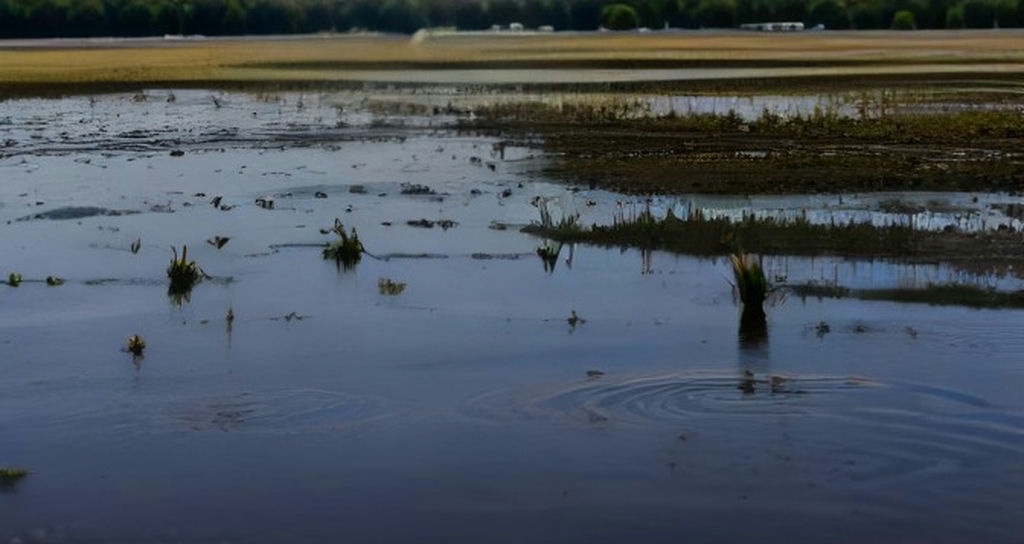
Following a high-profile detonation event involving lead azide in Iowa, federal environmental regulators have released reassuring initial findings. According to preliminary testing data distributed via NPR, water bodies surrounding the blast zone show no indications of toxic lead contamination. The incident, which triggered widespread anxiety throughout neighboring communities, has placed environmental safety and industrial handling procedures under intense national scrutiny.
As state and federal agencies continue to monitor air and water quality metrics, local families report lingering apprehension. While initial scientific evaluations offer a sigh of relief regarding immediate drinking water safety, public trust remains fragile as investigative bodies piece together the exact sequence of events leading up to the explosion.
SPONSORED ADVERTISEMENT
Community Concerns Persist Amid Regulatory Assurance
Despite official statements confirming that municipal water supplies remain untainted, civic leaders and grassroots organizations argue that transparency must be prioritized. Wire dispatches from Reuters highlight that nervous residents are demanding comprehensive long-term health studies and continuous monitoring of soil composition. The psychological impact of sudden industrial blasts on rural and semi-urban populations often outlasts the initial physical cleanup operations, prompting calls for stricter safety protocols nationwide.
Public health experts emphasize that while primary indicators look promising, rigorous oversight is essential to prevent future incidents. Local town halls have drawn large crowds seeking direct answers from environmental officials, underscoring the gap between technical data reports and community peace of mind.
SPONSORED ADVERTISEMENT
Political Fallout and Broader National Debates
The incident has also reverberated across the political landscape. Recent commentary from political figures, including remarks reported by The Hill, has injected partisan debate into the disaster response, touching on historical policies and regulatory enforcement standards. Observers note that environmental safety in America’s heartland continues to function as a potent political flashpoint, blending industrial policy with local health concerns.
Frequently Asked Questions
Did the Iowa explosion contaminate local drinking water?
According to early testing conducted by the EPA and highlighted by NPR, initial results show no elevated or toxic lead levels in drinking water sources near the detonation site.
What is lead azide and why was it involved?
Lead azide is an extremely sensitive explosive compound commonly used as a detonator. Its unexpected detonation has sparked local and national investigations into how such materials are managed and stored.
SPONSORED ADVERTISEMENT
Reported by Creek Observer Editorial Desk. Sourced and verified from public news dispatches including NPR. Published in accordance with fair reporting and public interest standards.