



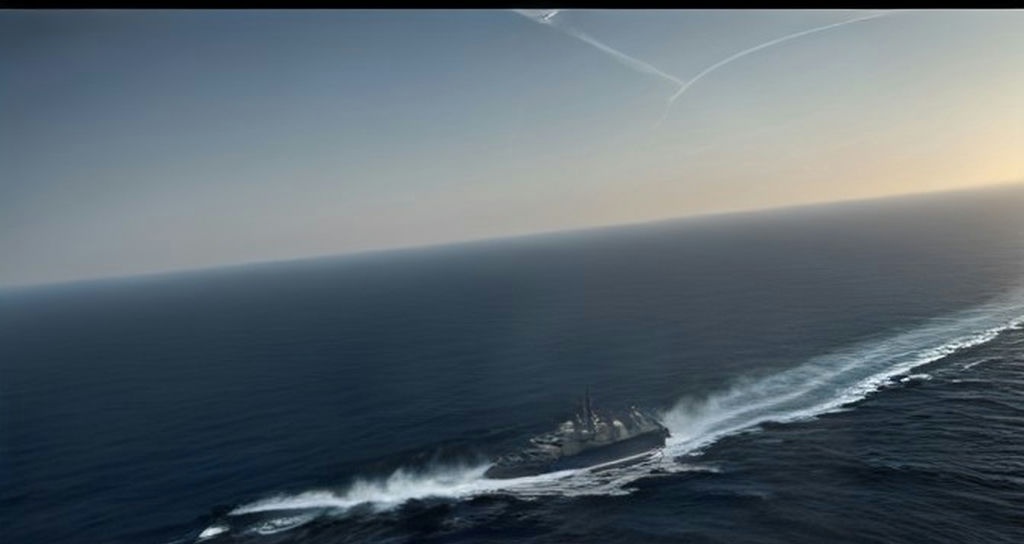
Ukraine Expands Drone Warfare Reach With Strikes on Russian Ships Near Libya
Key Takeaways
- Ukrainian forces executed an unprecedented naval drone strike targeting two Russian vessels off the coast of Libya, according to reporting by The Guardian.
- President Volodymyr Zelenskyy lauded the operation as exemplary, marking a profound expansion of asymmetrical naval capabilities far beyond the Black Sea theater.
- Moscow has strongly condemned the action, warning that these long-range tactical operations represent a dangerous escalation in ongoing hostilities.
In a striking demonstration of expanding asymmetrical warfare capabilities, Ukrainian security forces successfully deployed unmanned naval drones to strike two Russian vessels stationed off the North African coast of Libya. Initial investigative reporting published by The Guardian confirmed that Kyiv’s specialized maritime units carried out the operation, highlighting a dramatic geographical shift in how modern drone technology can project power across international waters.
The operation underscores an evolution in naval strategy, proving that localized sea-denial tactics can be successfully exported thousands of miles away from traditional combat zones. Military analysts point out that utilizing uncrewed surface vessels (USVs) in Mediterranean shipping lanes introduces entirely new strategic vulnerabilities for adversaries relying on global naval deployments.
Strategic Implications and International Reactions
Following the confirmation of the strikes, Ukrainian leadership openly praised the precision and execution of the tactical maneuvers. President Volodymyr Zelenskyy commended the intelligence and defense personnel involved, labeling the mission an exemplary demonstration of ingenuity. By targeting assets well outside traditional operational boundaries, Kyiv aims to disrupt logistical networks and challenge the global mobility of opposing naval forces.
Conversely, the reaction from Moscow was swift and severe. Russian diplomatic and defense officials issued formal warnings, categorizing the assault as a dangerous trend that threatens maritime security and sets a precarious precedent for international shipping lanes. The expansion of these operations into North African waters signals a new phase of tactical friction, drawing concern from regional observers and international security experts alike.
The Technological Evolution of Maritime Drones
The success of these long-range maritime strikes highlights the rapid maturation of uncrewed defense technology. What began as a localized defense mechanism within the Black Sea has rapidly transformed into a sophisticated, long-reach offensive capability. Defense technologists note that advancements in satellite guidance, autonomous navigation, and resilient communication links have enabled these systems to operate effectively in complex oceanic environments far from home command centers.
As governments worldwide study these developments, naval doctrine is undergoing a fundamental reassessment. Traditional, heavily armored surface fleets are increasingly forced to adapt to the asymmetric threat posed by low-cost, highly maneuverable drone fleets capable of striking critical assets across vast distances.
Frequently Asked Questions
Where did the drone strikes on the Russian ships take place?
According to investigative dispatches from The Guardian, the operation targeted two Russian vessels positioned off the coast of Libya in North African waters.
Why is this specific operation significant for military strategy?
This action marks a major expansion of Ukraine’s naval drone warfare capabilities, demonstrating that uncrewed maritime systems can successfully project power thousands of miles away from the primary combat theater.