
Philadelphia Diners Rally to Support Jewish-Owned Eateries After Boycott
Key Takeaways
- Diners in Philadelphia recently turned out in massive numbers to support Jewish-owned establishments following targeted boycott calls, as reported by The New York Times.
- A planned boycott ride aimed at local businesses perceived as pro-Israel faced overwhelming opposition from hundreds of counterprotesters.
- Prominent voices, including sports figures like Reggie Jackson, have spoken out against the rising tide of antisemitic incidents in the region.
According to initial reporting from The New York Times, local communities in Philadelphia have responded with an overwhelming wave of solidarity following coordinated efforts to boycott Jewish-owned dining establishments. The controversy unfolded as activists organized targeted demonstrations against local businesses, claiming connections to geopolitical conflicts overseas. In response, patrons and community members flooded these neighborhood eateries, transforming an attempt at economic exclusion into a powerful display of community backing.
Local media outlets, including 6abc Philadelphia and NBC10 Philadelphia, documented how a scheduled bicycle-based protest targeting establishments perceived as pro-Israel was swiftly met by a much larger counter-demonstration. Hundreds of individuals gathered to protect the targeted businesses, ensuring that normal operations continued despite the tense atmosphere on the streets.
SPONSORED ADVERTISEMENT
Rising Tensions and Broader Community Impact
The incident highlights a troubling nationwide trend where local commercial enterprises become flashpoints for international political debates. Business owners, many of whom have deep, multi-generational ties to the Philadelphia metropolitan area, suddenly found themselves and their livelihoods thrust into the spotlight of polarizing rhetoric.
Civil rights advocates and community leaders have expressed deep concern over the trajectory of public discourse. Among them, baseball legend Reggie Jackson recently voiced his alarm regarding the climate in his home state of Pennsylvania. According to coverage by Fox News, Jackson drew striking parallels between the contemporary hostility directed at Jewish community members and the overt racism he personally navigated during the 1960s civil rights era.
SPONSORED ADVERTISEMENT
The Power of Local Solidarity
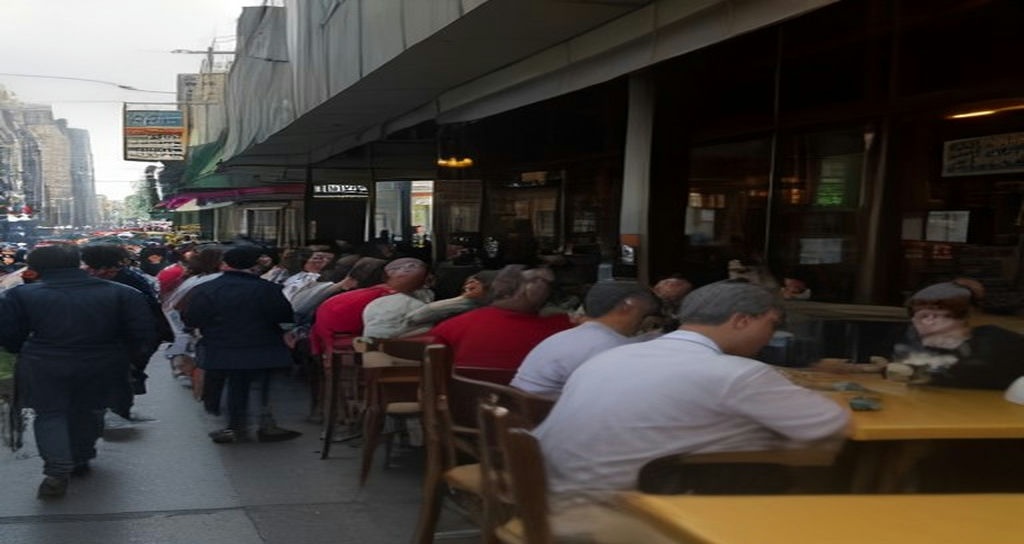
Despite the challenges posed by targeted actions, the outpouring of patronage demonstrated the resilience of Philadelphia’s diverse neighborhoods. Regular customers and new visitors alike stood in long lines outside cafes and restaurants, sending a clear message that discrimination and economic targeting have no place in the local economy.
Law enforcement and municipal authorities maintained a strong presence throughout the weekend demonstrations to ensure public safety and protect constitutional rights for all participating groups. While investigations and community dialogues continue, the immediate outcome has been a reinforcement of community bonds and a renewed commitment to mutual respect.
SPONSORED ADVERTISEMENT
Frequently Asked Questions
Why were specific Philadelphia eateries targeted?
Organizers of the initial boycott claimed to target local businesses based on perceived political stances regarding international conflicts, drawing widespread condemnation from civil rights groups.
How did the local community respond to the boycott?
Hundreds of counterprotesters and everyday diners mobilized to support the affected establishments, resulting in record patronage and a strong show of solidarity.
Reported by Creek Observer Editorial Desk. Sourced and verified from public news dispatches including The New York Times. Published in accordance with fair reporting and public interest standards.