
Midterm Elections 2026: Affordability and Economic Anxiety Shape Voter Choices
Key Takeaways
- Voter polling data highlighted by the BBC reveals that economic cost-of-living pressures dominated the 2026 midterm elections.
- Major political shifts emerged as Americans voiced frustration over pocketbook issues at the ballot box.
- Comprehensive reporting from various outlets indicates significant electoral consequences for candidates aligned with specific political factions.
As the dust settles on the recent midterm elections, comprehensive data analysis and voter polling insights reported by the BBC paint a vivid picture of an electorate driven primarily by financial survival. Across the nation, citizens casting their ballots made it clear that household budgets, inflationary pressures, and overall affordability superseded traditional partisan talking points. This deep-seated economic anxiety ultimately reshaped the congressional landscape, turning the midterms into a powerful referendum on the current financial climate.
Voters Express Discontent Through the Ballot Box
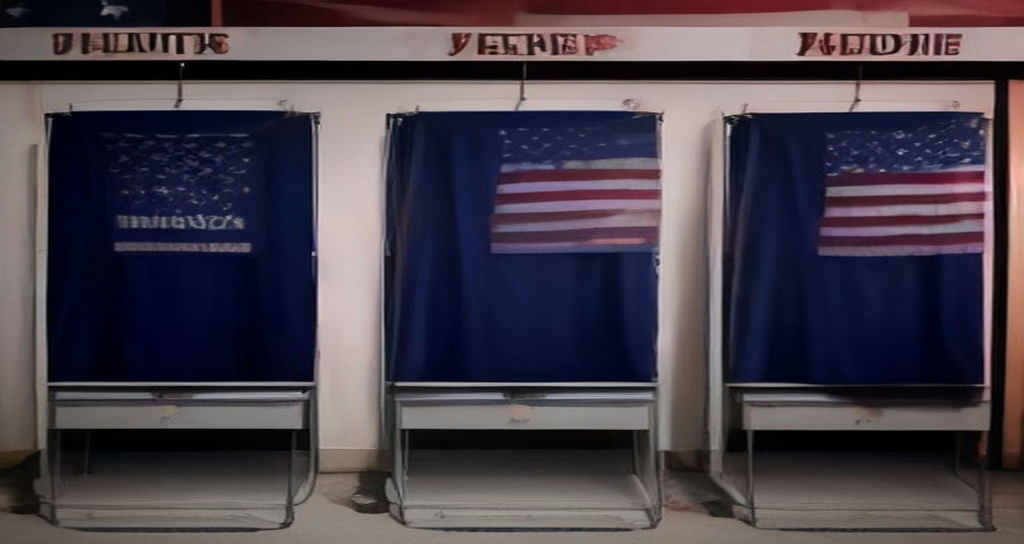
According to preliminary insights and continuous election updates compiled by major news organizations including CNN, voters delivered a striking message regarding governance and legislative control. Analysts examining the exit data noted that pocketbook concerns resonated in both traditionally blue strongholds and conservative red districts alike. Business Insider noted that Americans essentially voted using their wallets, prioritizing tangible relief from high costs over external political narratives.
The sentiment on the ground reflected a broader weariness among working-class families. Reuters reported that political strategies involving hand-picked congressional contenders faced a severe reckoning, as voters rejected candidates perceived as out of touch with everyday economic struggles. Public frustration found an outlet in unexpected ways, driving unexpected shifts in congressional control.
The Washington Post further observed that deep-seated anger among local populations in conservative-leaning regions contributed significantly to the electoral swings. This convergence of financial distress and localized dissatisfaction created a volatile environment for incumbents, proving that economic stability remains the single most critical factor for modern political survival.
Frequently Asked Questions
What were the primary issues driving voters in the recent midterms?
Voter polling highlights show that affordability, household expenses, and broader economic anxieties were the definitive top priorities for the American electorate.
How did economic concerns impact the congressional outcomes?
Financial frustrations led to significant shifts in legislative control, with voters expressing discontent over current economic conditions by favoring opposing political platforms.