

Democrats Sweep 2026 Midterms, Capturing Control of Congress
Key Takeaways
- Voters delivered a resounding message in the 2026 midterm elections, handing control of both the House and Senate to the Democratic Party.
- According to comprehensive election data and live dispatches compiled by Reuters, the legislative shift signals a major political rebuke of the current administration.
- Political analysts point to widespread economic anxieties and voter mobilization as core catalysts behind the sweeping congressional turnover.
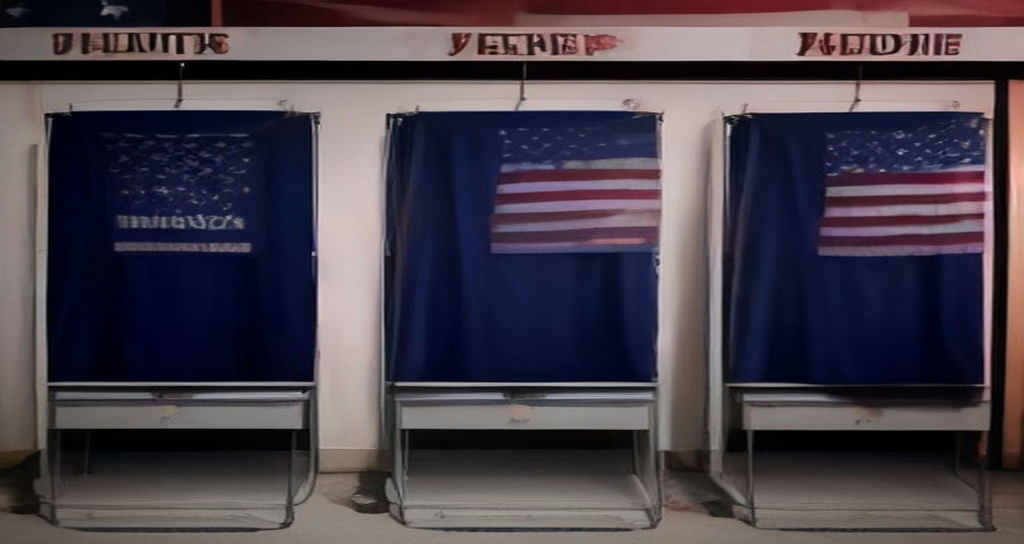
The political landscape of the United States experienced a dramatic realignment on Tuesday as voters went to the polls for the high-stakes 2026 midterm elections. According to initial reporting and real-time tracking data from Reuters, Democratic candidates outpaced expectations across multiple battleground districts, ultimately securing decisive majorities in both the House of Representatives and the United States Senate.
This legislative sweep represents a profound shift in power, effectively altering the trajectory of federal governance for the remainder of the presidential term. Major networks, including the Associated Press and NBC News, corroborated the trend late into the evening, noting that public dissatisfaction with current economic conditions and executive policies served as a primary motivator for the electorate.
A Referendum on Leadership and Policy
For months leading up to election day, political observers framed the midterms as a crucial referendum on the administration’s policy agenda. As exit polls began to trickle in, it became clear that a motivated coalition of voters sought to establish a powerful legislative check on the executive branch. Pundits writing for outlets like The New York Times have characterized the outcome as a turning point that could redefine national politics moving forward.
Campaign trails nationwide were defined by intense debates over inflation, healthcare access, and reproductive rights. Democrats successfully leveraged these pocketbook and social issues to energize suburban and urban voters alike, out-fundraising and out-organizing opponents in several traditionally conservative districts.
What the Power Shift Means for Washington
With a newly secured Democratic majority in Congress, the legislative branch is primed to adopt a vastly different approach to federal oversight, budgetary negotiations, and judicial confirmations. Lawmakers now face the immediate task of bridging partisan divides to address pressing national infrastructure and fiscal deadlines before the next legislative session kicks into full gear.
Congressional leadership is expected to prioritize measures aimed at lowering consumer costs, protecting social safety nets, and launching rigorous congressional investigations into executive actions. However, navigating a divided government will require strategic compromises to ensure long-term stability.
Frequently Asked Questions
Which party won control of Congress in the 2026 midterms?
According to verified election results from Reuters and major news networks, the Democratic Party captured majorities in both the House of Representatives and the Senate.
Why did voters shift control during the 2026 midterm elections?
Exit polling and political analysts indicate that widespread voter dissatisfaction with current economic conditions, combined with intense mobilization around healthcare and social policy, fueled the political shift.