



Massive Protests Sweep France as Youth Mobilization Sparks Urban Clashes
Key Takeaways
- More than 500,000 demonstrators mobilized across French metropolitan centers in a nationwide display of student and civic unrest.
- Violent confrontations erupted in multiple cities, leading to severe property damage including a destructive blaze at the historic Limoges Town Hall.
- French President Emmanuel Macron condemned the escalating riots, insisting there is ‘no place for violence’ in democratic demonstrations.
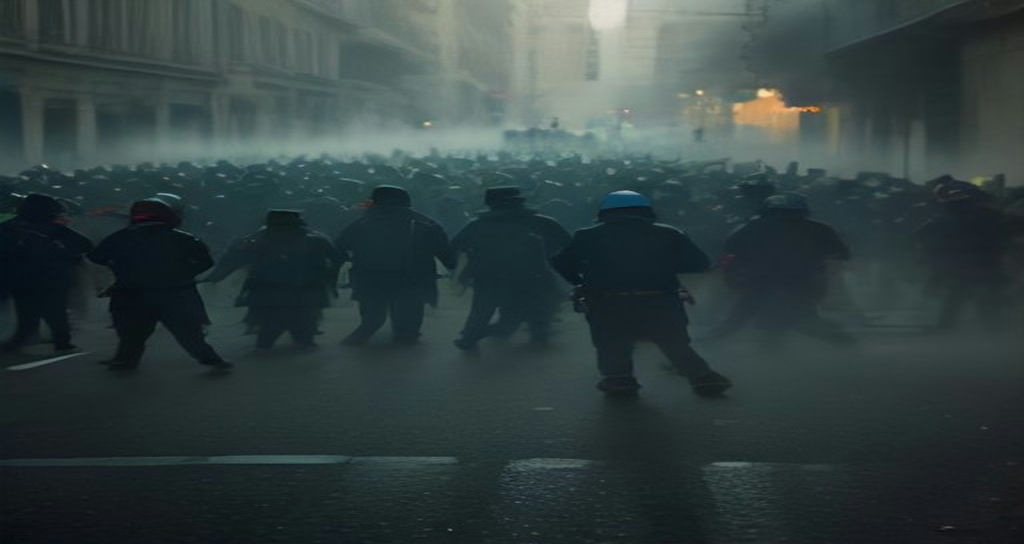
Massive civil unrest intensified across France this week as an estimated half a million demonstrators took to city streets, culminating in intense skirmishes between radical elements and security forces. According to international reports corroborated by CNN, what began as targeted student rallies over domestic social and institutional policies has swiftly expanded into a broader nationwide wave of public defiance.
Metropolitan police battalions deployed tear gas, defensive shields, and water cannons in response to coordinated barricades and projectile attacks in several urban hubs, including Paris, Lyon, and Nantes. Law enforcement authorities confirmed multiple injuries among officers and demonstrators alike, marking one of the tensest confrontations between French youth and the state in recent memory.
SPONSORED ADVERTISEMENT
Student Movement Mobilizes on a National Scale
The latest surge in unrest reflects a dramatic pivot from localized classroom walkouts to a fully coordinated general strike. Investigative reporting by The New York Times highlighted that university campus groups and secondary school organizations played a fundamental role in coordinating logistical operations, paralyzing regional transit links, and staging sit-ins across academic centers.
What initially formed as an outcry over academic reforms and standard-of-living challenges quickly evolved into a platform against systemic governance issues. The rapid swelling of turnout – surpassing early intelligence forecasts – drew labor syndicates and anti-establishment blocs into the fold, substantially raising the operational pressure on French interior security teams.
Destruction in Limoges Signals Deepening Friction
While the vast majority of participants engaged peacefully, fringe groups escalated tensions late in the evening. In the southwestern city of Limoges, unrest reached an alarming peak when agitators targeted administrative infrastructure. Local municipal dispatches reported by Fox News revealed that the historic Limoges Town Hall was set ablaze, with interior sections sustaining catastrophic damage before emergency crews could suppress the flames.
Regional prefects denounced the incident as an intolerable assault on democratic heritage, pledging targeted operations to track down and prosecute those responsible for orchestrating the fire. The destruction added a somber tone to a day already marred by shattered storefronts, torched vehicles, and disrupted rail services across key corridors.
SPONSORED ADVERTISEMENT
Élysée Palace Issues Stern Warning on Civil Disorder
Addressing the nationwide turmoil during an official diplomatic appearance, President Emmanuel Macron adopted an uncompromising posture against the lawlessness. As captured by the BBC, Macron declared that while the right to assemble remains a cornerstone of the republic, there is ‘no place for violence’ within democratic expression.
The Élysée reiterated its backing of internal security forces, warning that future unpermitted marches would face swift interdiction. Nevertheless, political opponents from both flanks of the National Assembly have criticized the executive administration for failing to engage directly with student grievances, suggesting that relying strictly on containment measures risks driving public frustration underground.
Anticipating the Political Fallout
With union leadership pledging follow-up assemblies in the coming weeks, political analysts caution that the current impasse could trigger a protracted crisis for the central government. France’s urban security framework remains on high alert, with thousands of specialized anti-riot personnel mobilized across public transport nodes and civic squares.
SPONSORED ADVERTISEMENT
Frequently Asked Questions
What sparked the widespread youth demonstrations across France?
The unrest began as a coordinated student movement against sweeping government institutional policies and academic reforms, quickly drawing in labor unions and wider civic factions concerned with inflation and governance.
How has the French executive branch responded to the property destruction?
President Emmanuel Macron and the Ministry of the Interior have condemned all unlawful acts, reiterating that state authorities will prosecute agitators responsible for arson and violent clashes while maintaining heavy security presences in major transit zones.
Reported by Creek Observer Editorial Desk. Sourced and verified from public news dispatches including CNN. Published in accordance with fair reporting and public interest standards.