




Bend School Tragedy Reignites Debate Over Armed Civilians Halting Mass Shootings
Key Takeaways
- A deadly shooting at Silver Rail Elementary in Bend, Oregon claimed multiple lives, including a beloved 25-year-old first-year educator.
- The assault was brought to an end when an armed father on the premises engaged the shooter, preventing further casualties.
- The tragedy has renewed intense national discussions regarding campus defense, civilian firearm intervention, and systemic school safety strategies.
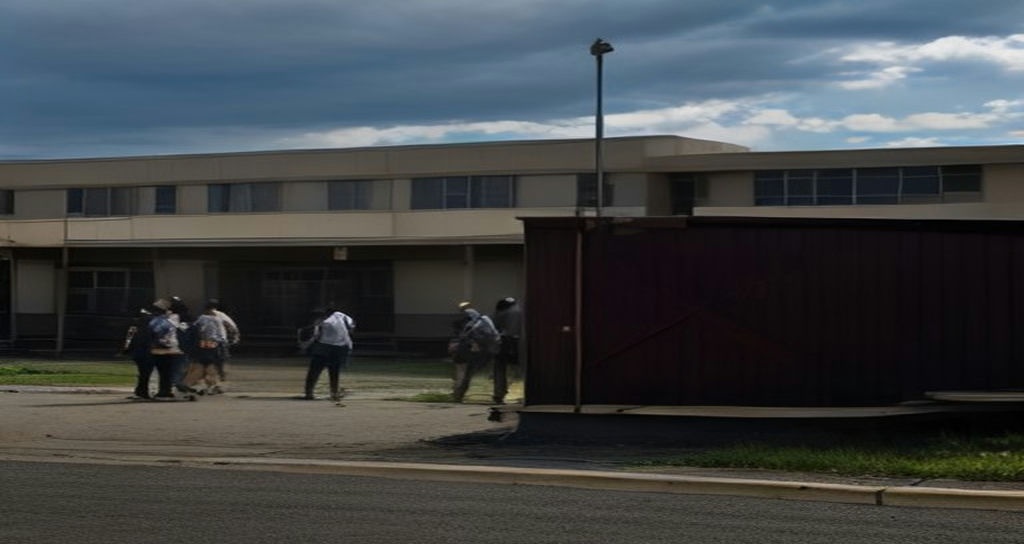
A devastating tragedy in Central Oregon has once again thrust the United States into a familiar and deeply polarizing national conversation. When gunfire erupted at Silver Rail Elementary School in Bend, Oregon, claiming the lives of several victims, the rampage was ultimately halted not by tactical law enforcement units, but by a nearby parent carrying a concealed weapon.
According to investigative dispatches compiled by AP News and regional emergency responders, the incident unfolded rapidly within the school walls. Before the armed civilian intervened, an educator confronted the assailant in a desperate bid to shield students. State and local authorities confirmed that an armed father subsequently engaged the gunman directly, striking the perpetrator multiple times and ending the immediate threat before first responders arrived on the scene.
SPONSORED ADVERTISEMENT
A Community Shattered and an Unlikely Intervention
The aftermath in the scenic mountain community of Bend has been defined by profound mourning. Among those slain was a 25-year-old educator who had recently celebrated securing what relatives described as her lifelong dream career in teaching. Parents, civic leaders, and local residents have gathered at impromptu vigils, struggling to reconcile the sudden wave of violence with their quiet, close-knit surroundings.
While grief permeates the town, national attention has focused sharply on the father’s lethal intervention. Public safety analysts note that while the parent’s decisive action almost certainly averted a far higher death toll, such encounters present an extraordinarily hazardous dilemma during active shooting events. Law enforcement officials frequently caution that chaotic scenes can lead to tragic misidentifications when responding officers encounter multiple individuals wielding firearms.
SPONSORED ADVERTISEMENT
The Broader National Debate: Good Samaritans vs. Preventative Reform
The Bend confrontation represents the latest case study in a long-standing American debate over whether armed citizens serve as an effective deterrent against mass casualty events. Proponents of expanded concealed-carry rights have pointed to the Oregon father’s response as proof that everyday citizens carrying firearms are critical in minimizing bloodshed during the minutes before police can establish an active perimeter.
Conversely, gun violence prevention organizations and school safety advocates argue that relying on civilian heroics is an inherently flawed security model. Federal Bureau of Investigation (FBI) active shooter analyses indicate that fewer than five percent of mass shooting situations are resolved by armed bystanders. Policy researchers emphasize that sustainable campus safety requires robust early-intervention measures, fortified architectural barriers, and comprehensive gun storage mandates rather than reliance on armed civilians on school property.
SPONSORED ADVERTISEMENT
Frequently Asked Questions
How often do armed civilians neutralize active shooters in the United States?
According to multi-year assessments by the FBI and independent criminology research centers, the overwhelming majority of active shooter incidents are resolved by specialized police intervention or the shooter taking their own life. Armed citizen interventions occur in a relatively small fraction of documented cases, typically representing under five percent of total incidents.
What policy discussions have emerged following the Bend, Oregon shooting?
The tragedy has sparked parallel discussions across state and national legislatures. Lawmakers are re-evaluating physical campus entry protocols, visitor access rules during school hours, and the legal framework surrounding concealed carry permit holders on designated school grounds during emergencies.
Reported by Creek Observer Editorial Desk. Sourced and verified from public news dispatches including AP News. Published in accordance with fair reporting and public interest standards.