


US Congress Expands Executive Sanction Powers Against Russia and Enablers
Key Takeaways
- Lawmakers overwhelmingly approve comprehensive legislation increasing presidential leverage over foreign entities supporting Moscow.
- Initial reporting from The Guardian highlights strategic provisions targeting major international energy purchasers including China and India.
- The bipartisan measure now advances directly to the White House following legislative approval.
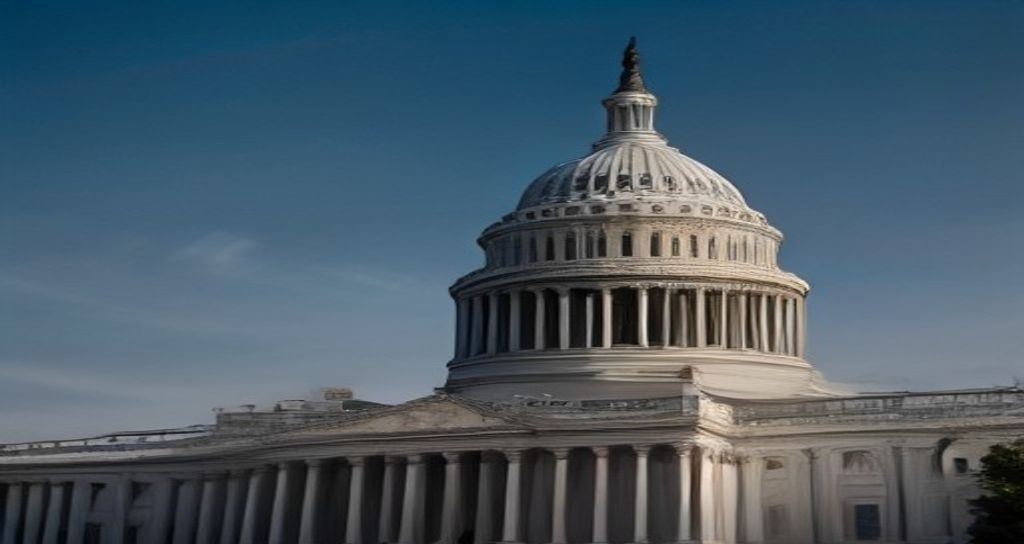
Capitol Hill has approved a major legislative package that substantially broadens executive authority to penalize foreign actors aiding Moscow’s economic and military apparatus. According to initial reporting from The Guardian, the sweeping measures grant the White House enhanced tools to isolate overseas facilitators, signaling a decisive bipartisan push on foreign policy despite pushback from select congressional leaders.
The newly minted framework aims to tighten financial choke points by penalizing key purchasers of Russian energy resources. Lawmakers crafted the provisions to address secondary trade networks that have historically helped sustain Moscow’s fiscal reserves amidst ongoing international penalties. By casting a wider net over overseas intermediaries, the legislation equips executive branch officials with flexible mechanisms to deter foreign collaboration.
SPONSORED ADVERTISEMENT
Navigating Bipartisan Momentum and Legislative Hurdles
The passage through the House of Representatives required navigating complex political dynamics. While the measure ultimately secured enough votes to advance, it faced initial resistance from prominent Democratic leadership who questioned specific implementation details and diplomatic ramifications. Nevertheless, broader concerns regarding geopolitical stability ultimately unified lawmakers behind the package.
Political analysts note that the legislation reflects an enduring willingness within Congress to utilize economic coercion as a primary instrument of foreign policy. By granting the administration deeper discretionary powers, the bill shifts significant tactical responsibilities onto executive agencies tasked with enforcement.
SPONSORED ADVERTISEMENT
Global Implications for Energy Markets
International observers are closely monitoring how the legislation will impact major global trade partners. Provisions directly addressing primary buyers in Asia have sparked intense discussions across diplomatic channels. Economic strategists warn that aggressive enforcement could trigger shifts in global crude supply chains, forcing importing nations to reevaluate their purchasing portfolios.
As the bill transitions from Capitol Hill to the executive desk, administration officials are preparing guidelines for implementation. The White House will face the delicate task of balancing rigorous enforcement against key international allies and emerging economic powers.
SPONSORED ADVERTISEMENT
Frequently Asked Questions
What does the new sanctions bill achieve?
The legislation significantly expands presidential authority to impose penalties on foreign entities, financial institutions, and nations that facilitate Moscow’s economic activities or purchase its energy resources.
How will this affect international trade partners?
Major importers of Russian commodities, such as China and India, face heightened scrutiny under the new statutory framework, potentially altering traditional energy acquisition routes.
Reported by Creek Observer Editorial Desk. Sourced and verified from public news dispatches including The Guardian. Published in accordance with fair reporting and public interest standards.